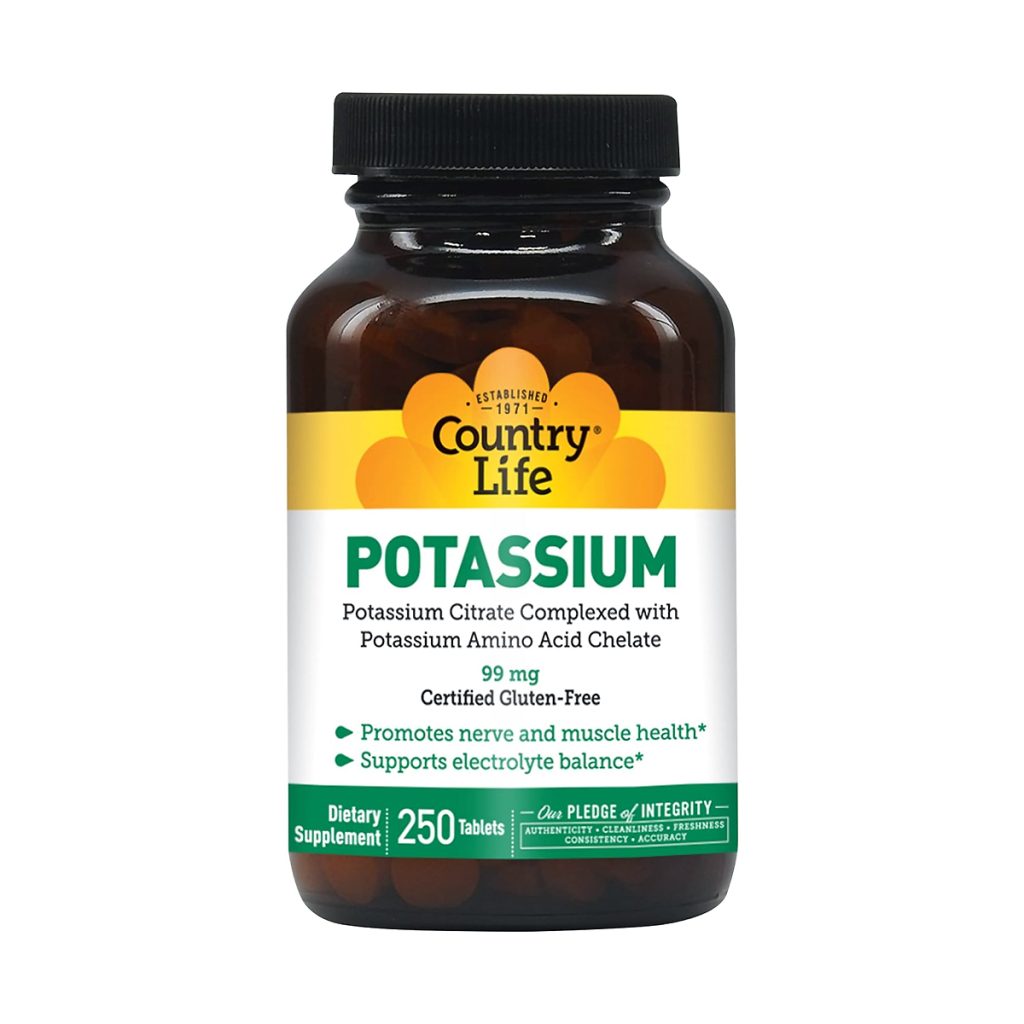
Every OTC potassium tablet caps at 99 mg because of a 1975 FDA rule, not nutrition science. Here's what the NIH says adults need, and who's really at risk.
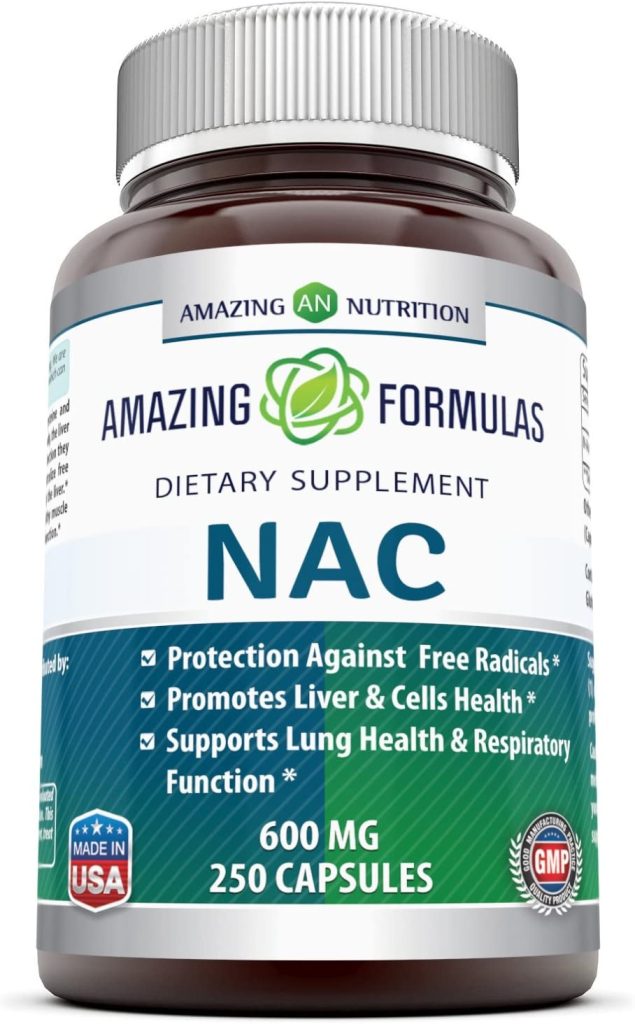
NAC is the hospital antidote for a Tylenol overdose, yet the FDA spent two years trying to remove it from supplement shelves. Here's what happened, and why.
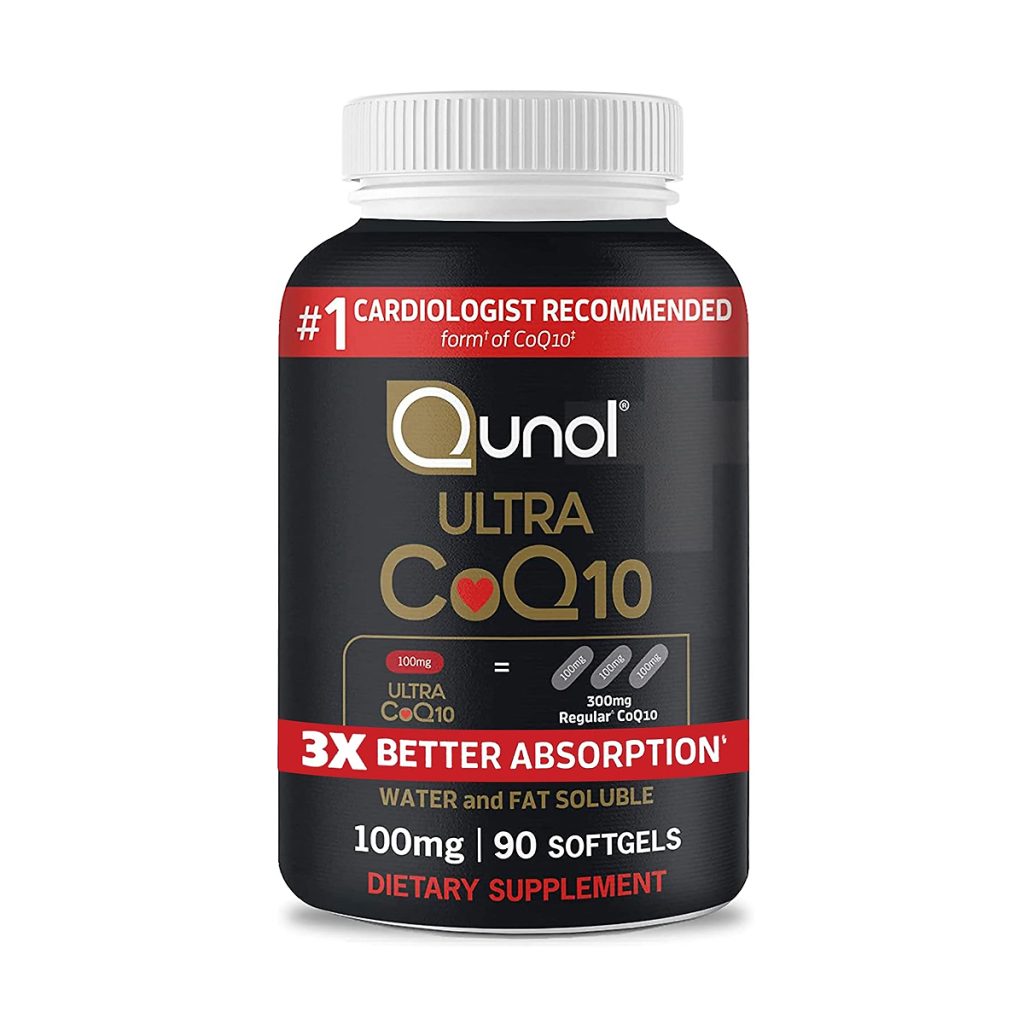
NIH says the evidence doesn't support CoQ10 relieving statin muscle pain, but a 420-person trial found a real heart-failure benefit at triple the labeled dose.
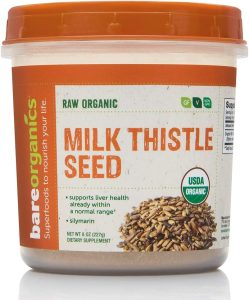
Milk thistle is a top-selling liver supplement, but the two largest NIH-funded trials found it worked no better than a placebo. Here's what the evidence shows.
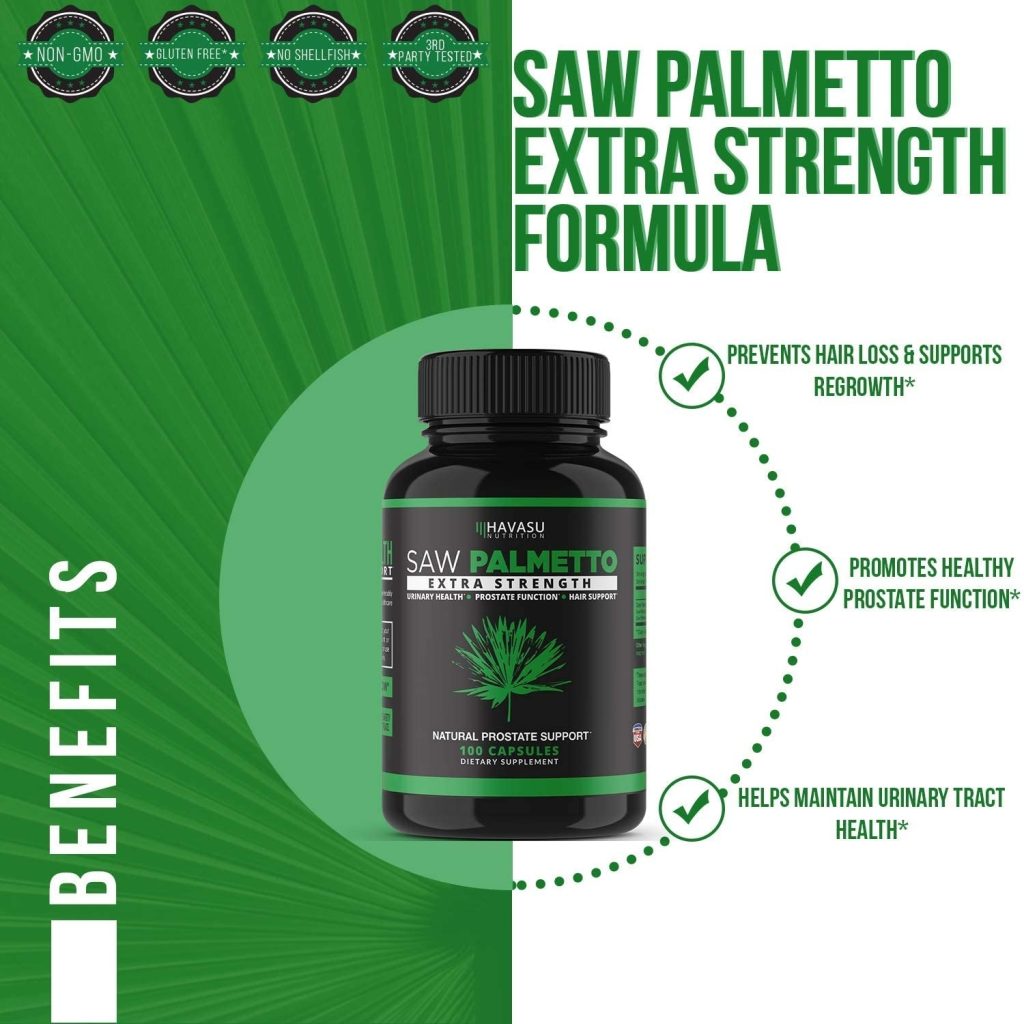
Saw palmetto is a top-selling men's herbal supplement, but the two largest NIH-funded trials and a 2023 Cochrane review found it works no better than a placebo.
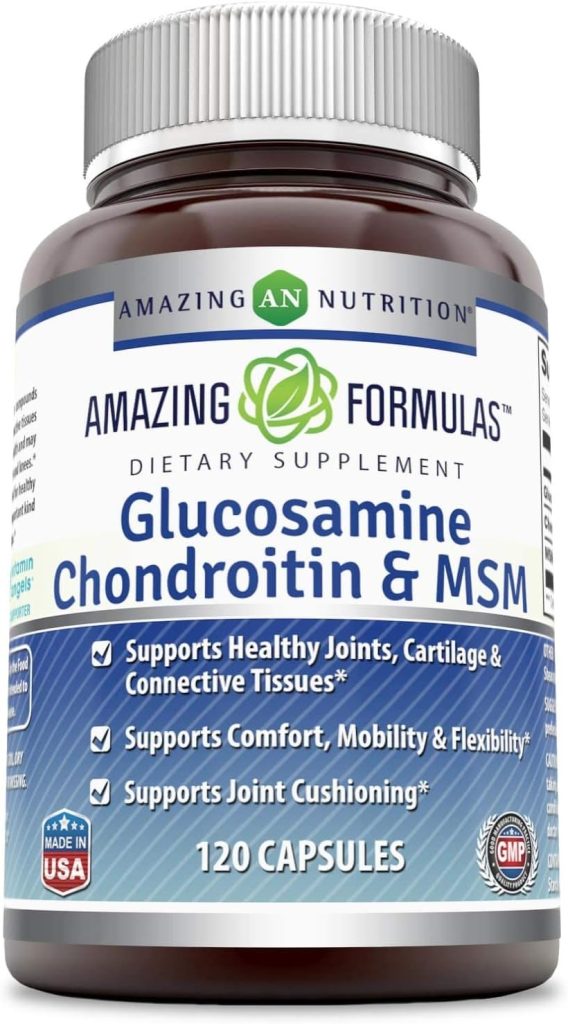
The largest NIH trial on glucosamine and chondroitin found no significant pain relief overall. Here's what the 1,583-person GAIT trial actually showed.
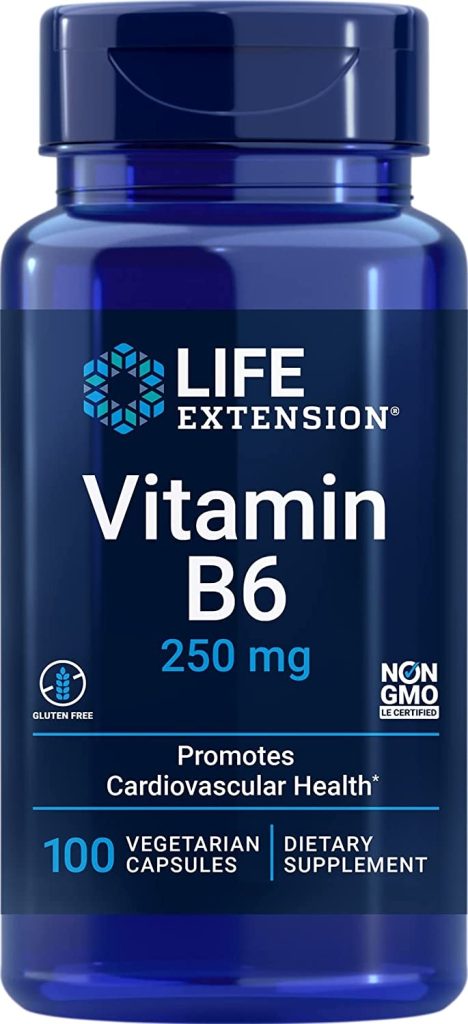
NIH sets vitamin B6's upper limit at 100 mg a day; the EU sets it at 12 mg. This capsule delivers 250 mg daily. Here's what the nerve-damage evidence actually shows.
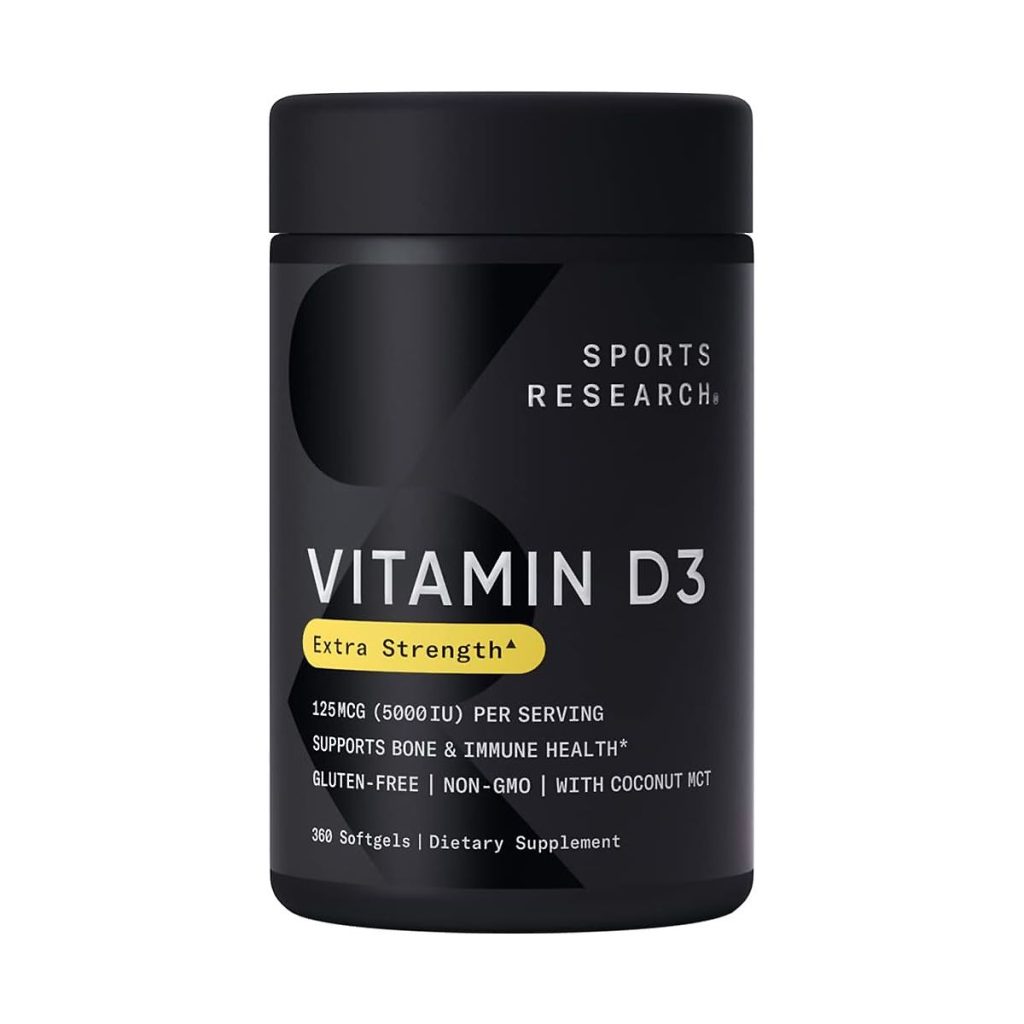
NIH caps adult vitamin D at 4,000 IU (100 mcg) a day, yet a popular 5,000 IU softgel sells at 625% of the Daily Value. Here's what the trial evidence actually shows.
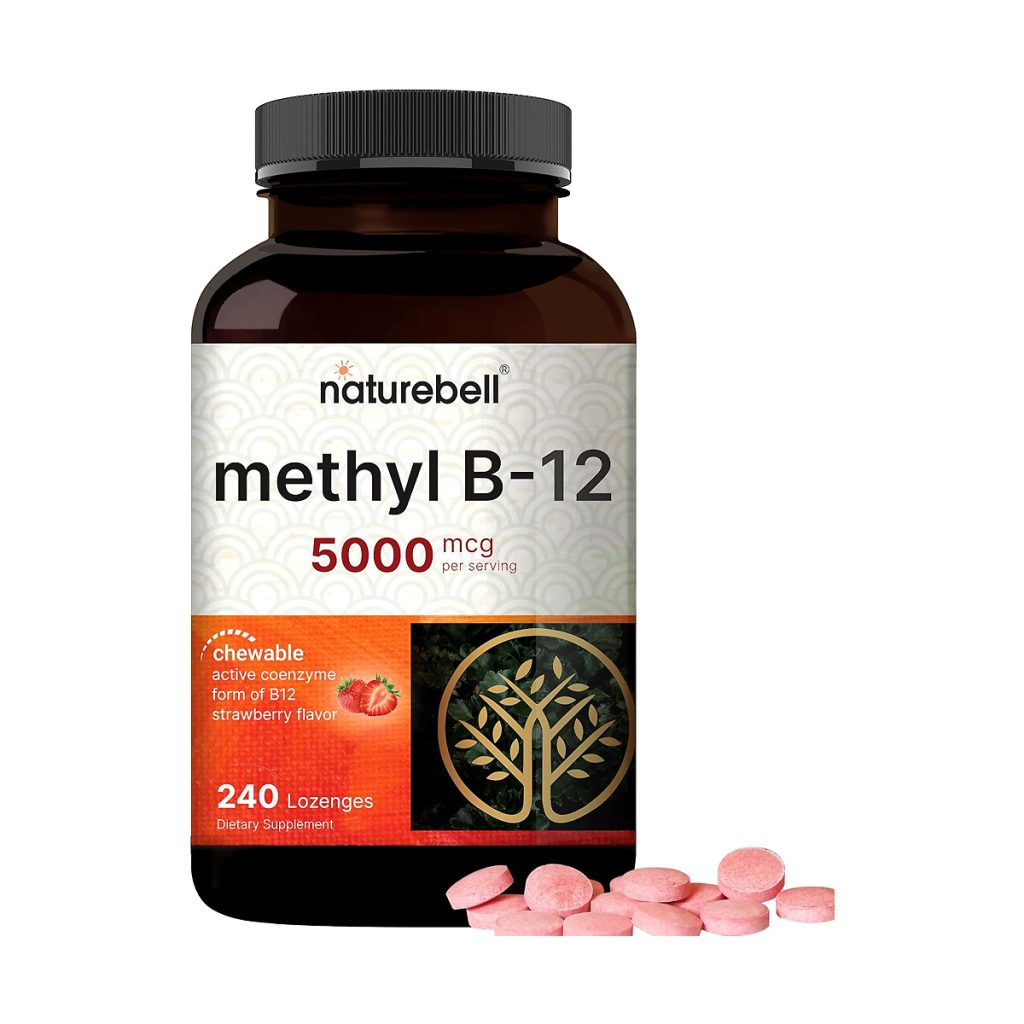
NIH research shows vitamin B12 supplements only boost energy in people who are actually deficient — here's exactly who that is, and why doses run so high.