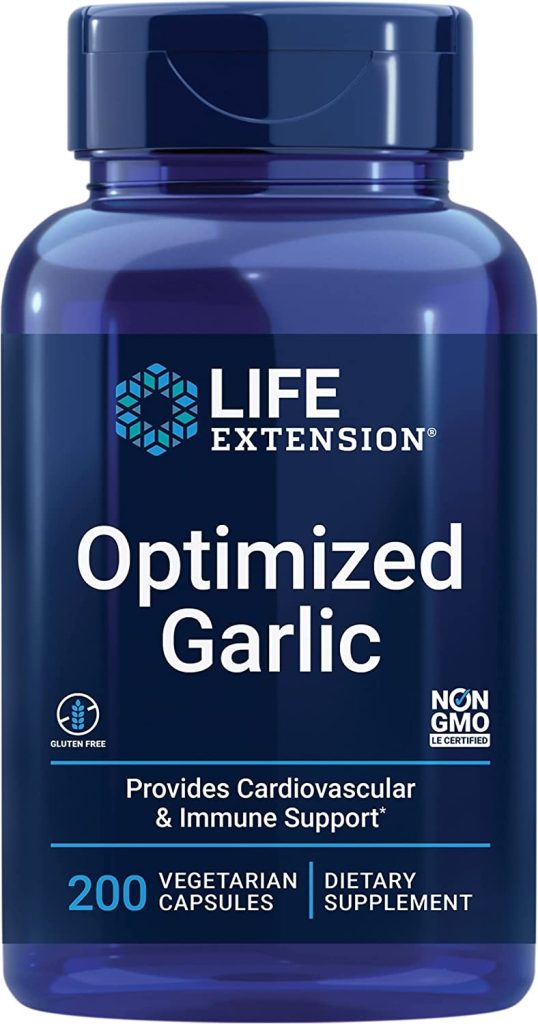
Two 2025 meta-analyses found garlic lowers blood pressure by 8.1 or 4.2 mmHg. Here is what NIH says, what the immune claim rests on, and the bleeding warning.
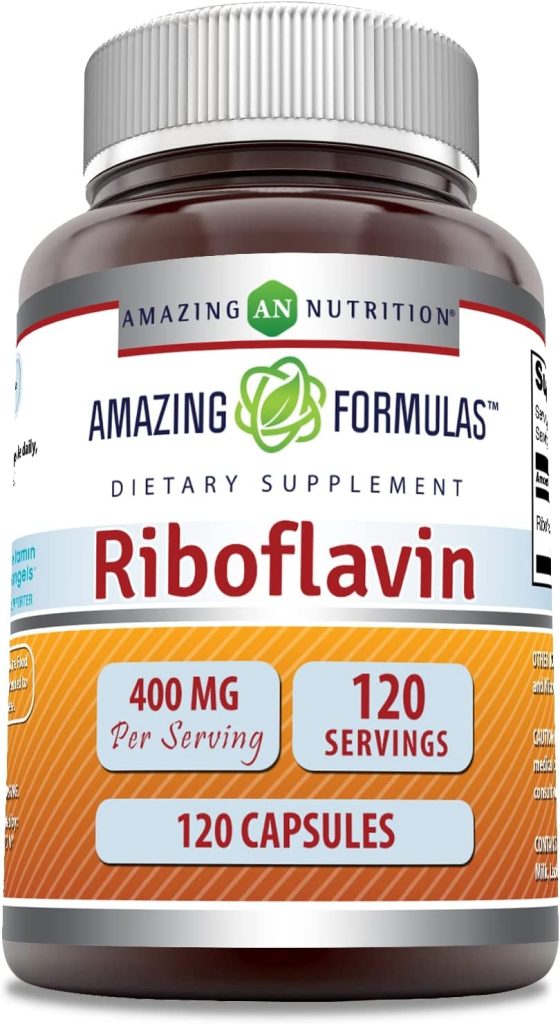
Vitamin B2 (riboflavin) at 400 mg a day for migraine: a 55-patient trial, a Level B guideline, 12 pooled trials, no set upper limit, and what the label says.
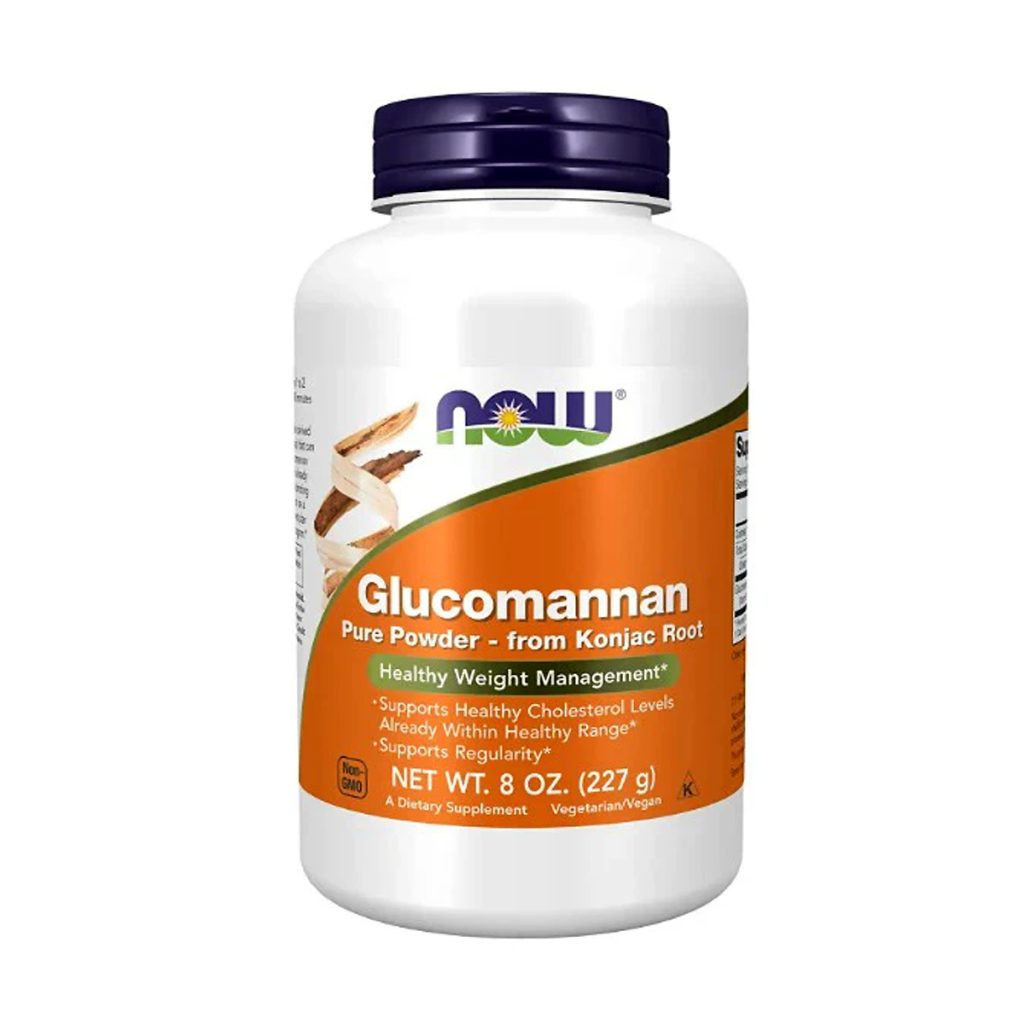
Glucomannan for weight loss: pooled trials range from 0.22 kg (not significant) to 1.36 kg, plus Health Canada's choking warning and a full label dose review.
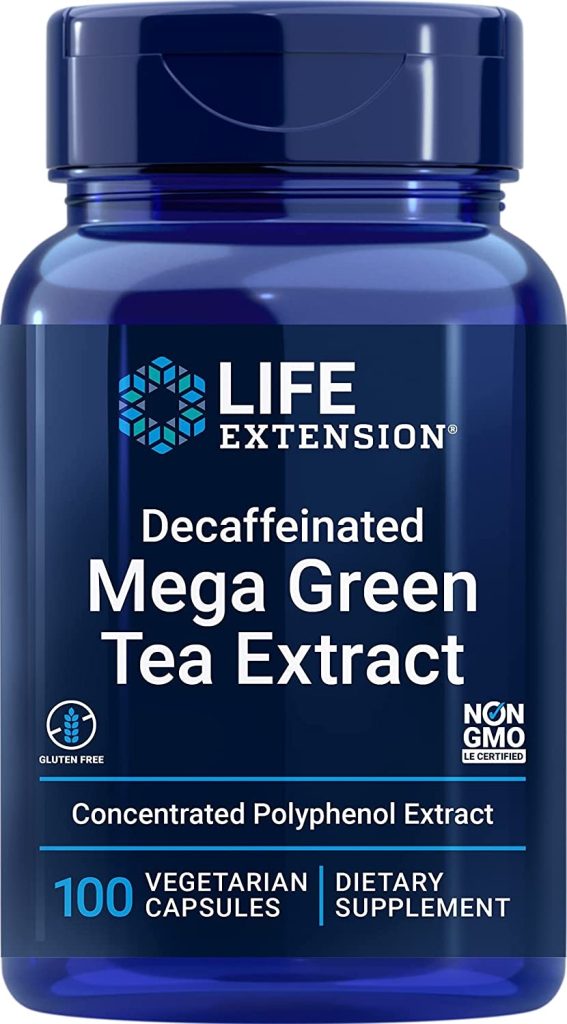
EFSA could not identify a safe dose of EGCG from green tea extracts. Here is what the liver, weight-loss and cholesterol evidence shows, and what this label says.
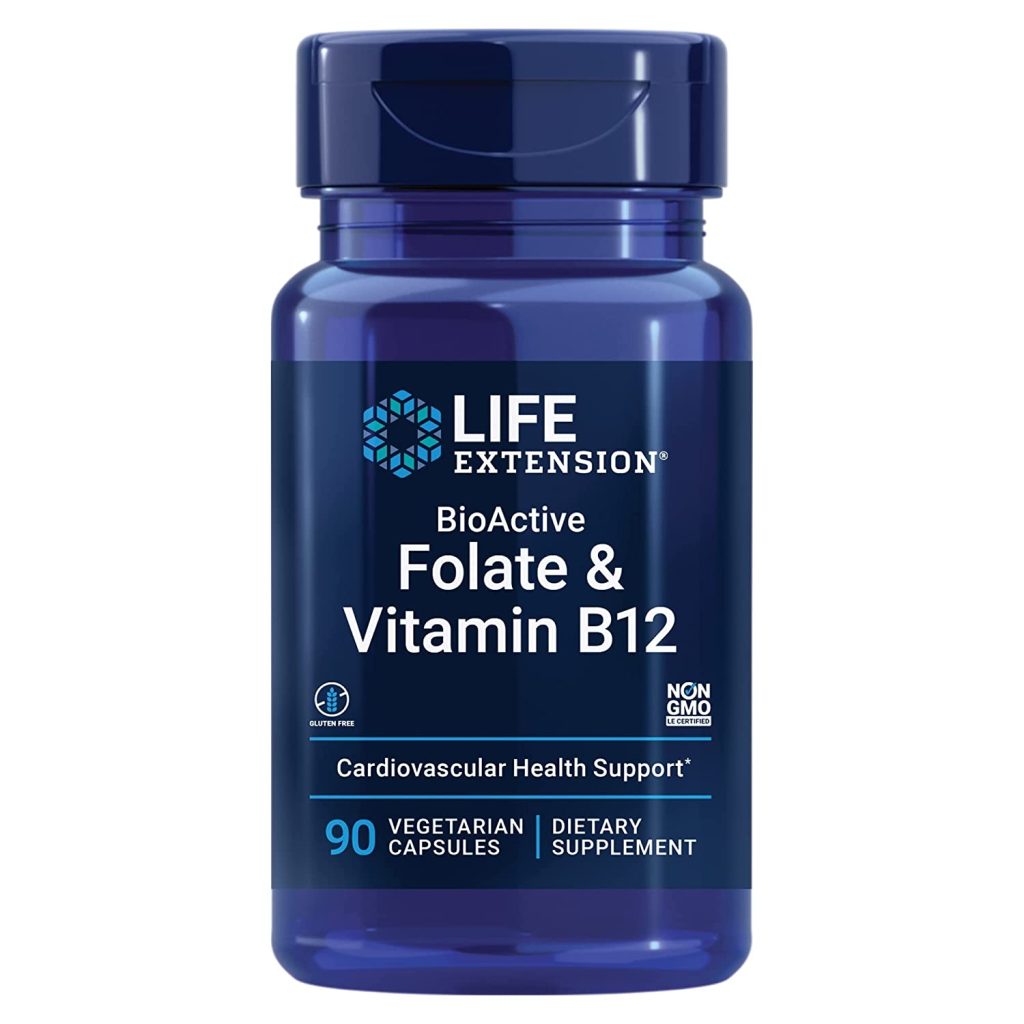
Methylfolate and B12 for heart health: 15 trials and 71,422 people found no drop in heart attacks. What the evidence shows, and why folic acid still rules pregnancy.
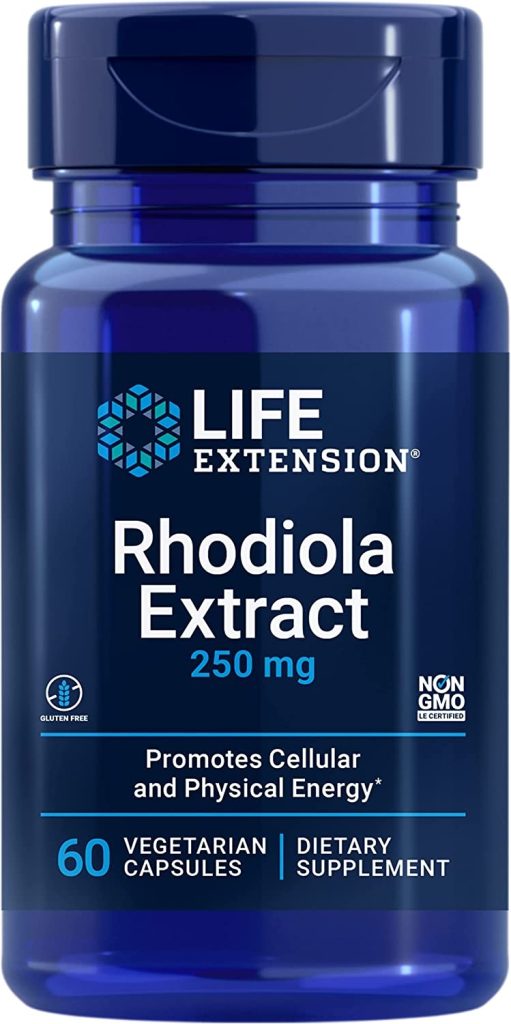
NIH says there isn't enough reliable evidence to call rhodiola useful for any purpose. Here is what the fatigue, mood and endurance trials found, and the label dose.
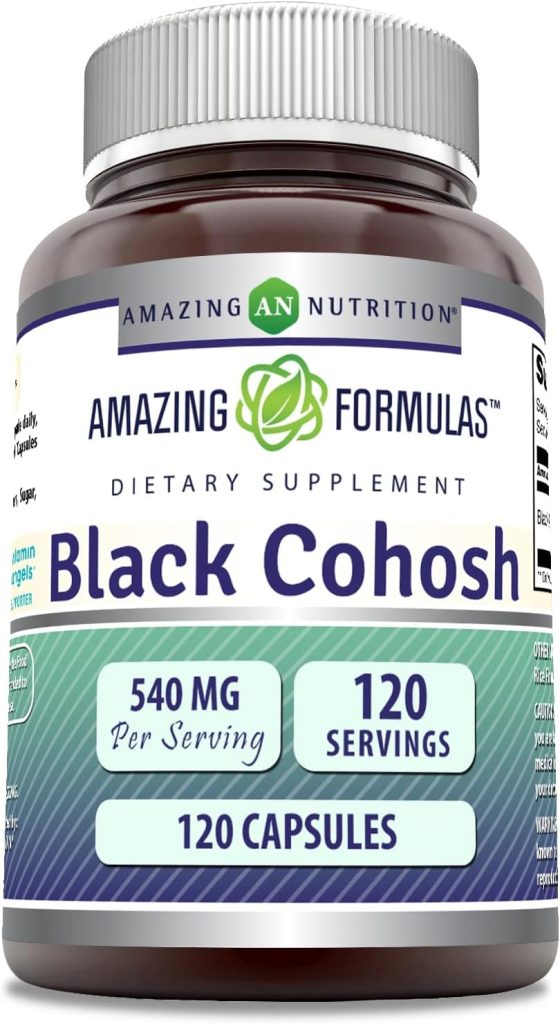
Black cohosh for menopause: a Cochrane review of 2,027 women found no hot flash benefit, a 2023 review did, and NAMS advises against it. Dose and liver risks.
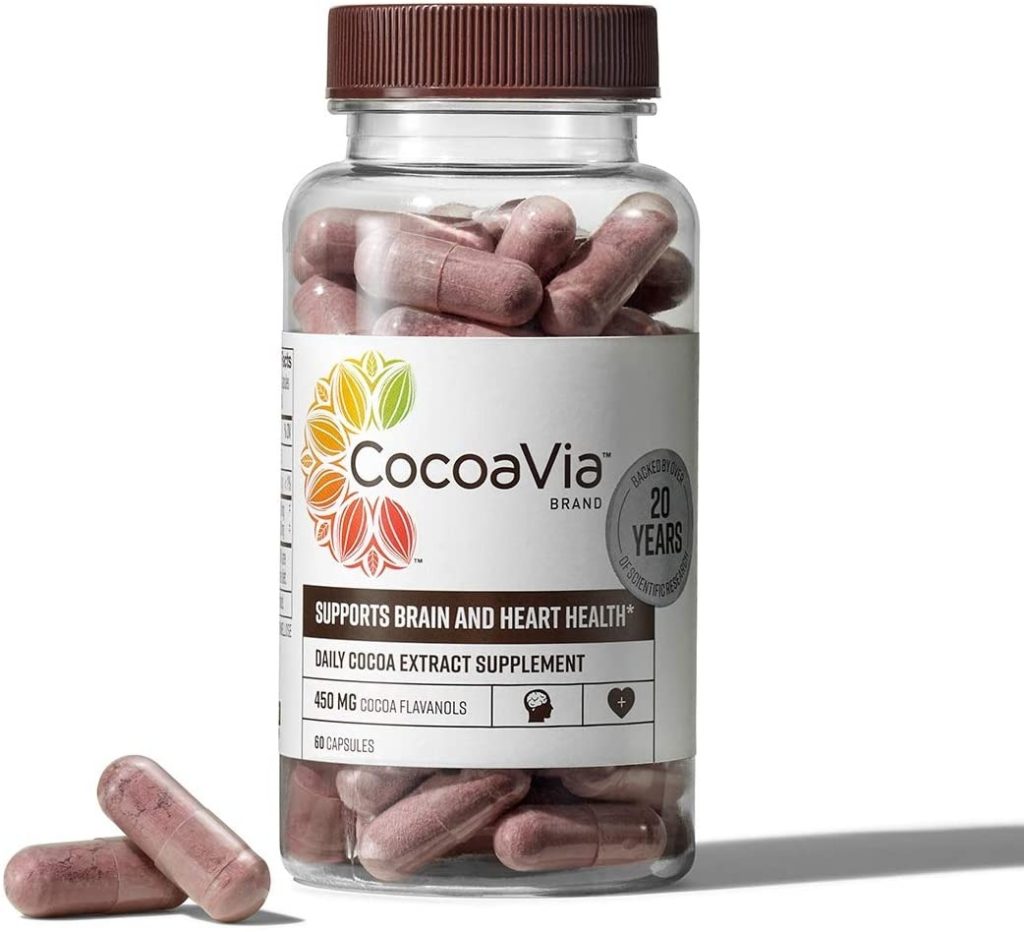
CocoaVia says its cocoa flavanols match the COSMOS trial dose. The 21,442-person trial missed its main heart target, and this label shows 450 mg, not 500 mg.
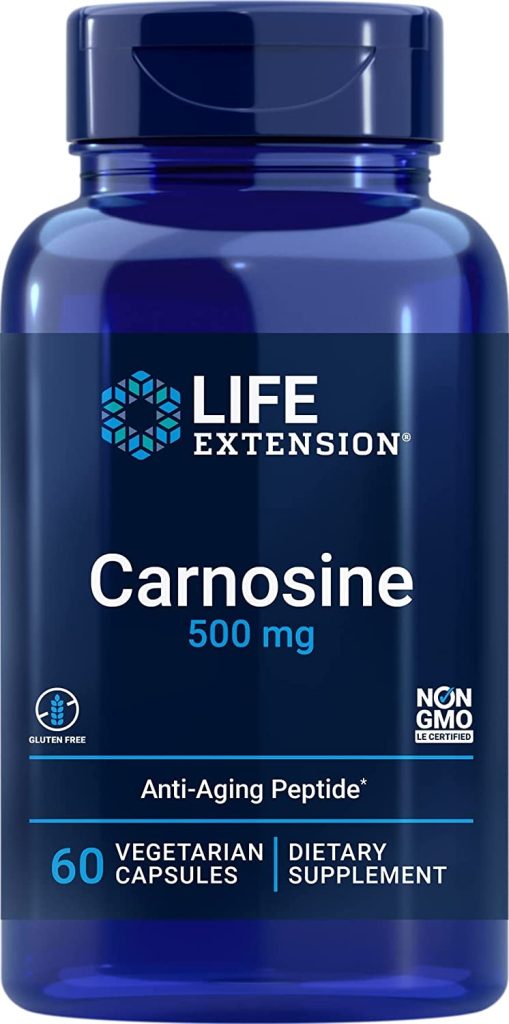
Carnosine is sold as an anti-aging peptide, but only 2 of 36 anti-glycation studies were in humans. Here is what human trials show, and the dose behind the label.
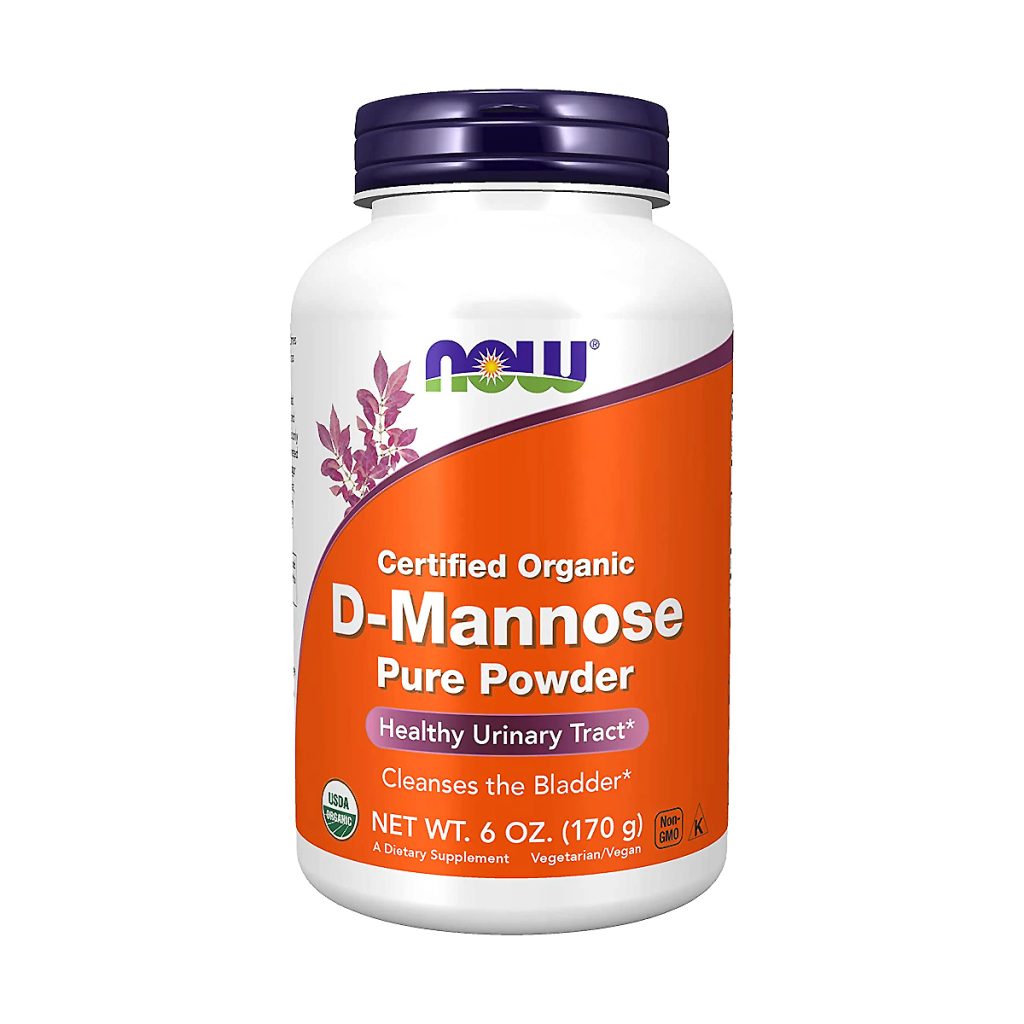
D-mannose is sold to cleanse the bladder, but a 598-woman placebo trial found no significant UTI benefit. What Cochrane, the NIH and the label actually say.