Vitamins & Minerals

Evidence reviews of everyday vitamins and minerals — magnesium, B12, iodine, vitamin C and multivitamins — checked against NIH intake data and upper limits.

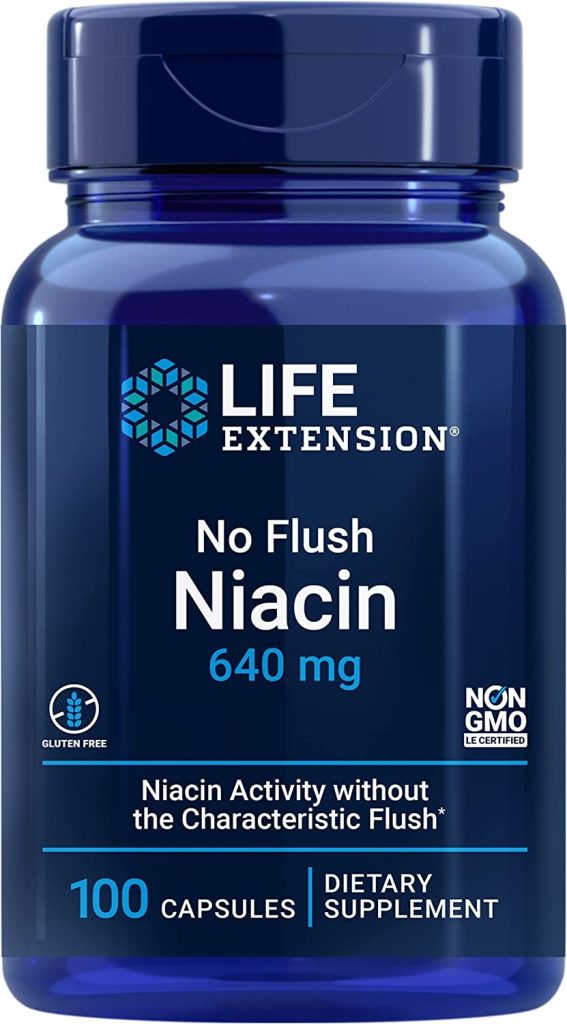
  1. No-Flush Niacin for Cholesterol: The Catch Behind Removing the Flush

    No-Flush Niacin for Cholesterol: The Catch Behind Removing the Flush
    This exact no-flush niacin ingredient failed its own placebo-controlled trial, and a 25,673-patient trial of real niacin found no heart-attack benefit either.

  2. Vitamin E for Cancer Prevention: What a 35,533-Man NIH Trial Found

    Vitamin E for Cancer Prevention: What a 35,533-Man NIH Trial Found
    NIH's 35,533-man SELECT trial tested vitamin E for cancer prevention and found a 17% higher prostate cancer risk instead of the protection it aimed to show.
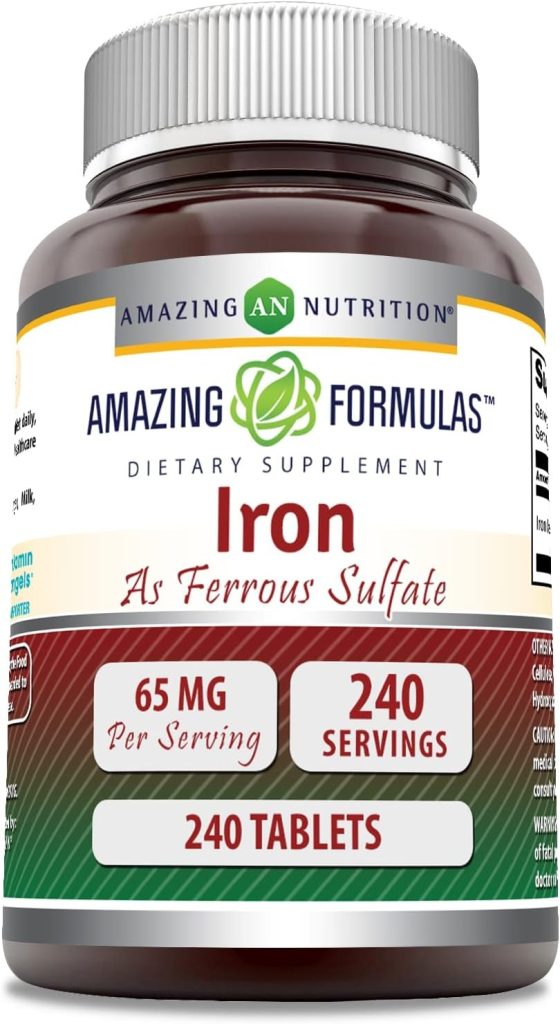
  3. Iron for Anemia and Fatigue: The FDA Warning Behind Every Bottle

    Iron for Anemia and Fatigue: The FDA Warning Behind Every Bottle
    A standard 65 mg iron tablet already exceeds the NIH's adult limit, and federal law requires an overdose warning on every bottle. Here's what the evidence shows.
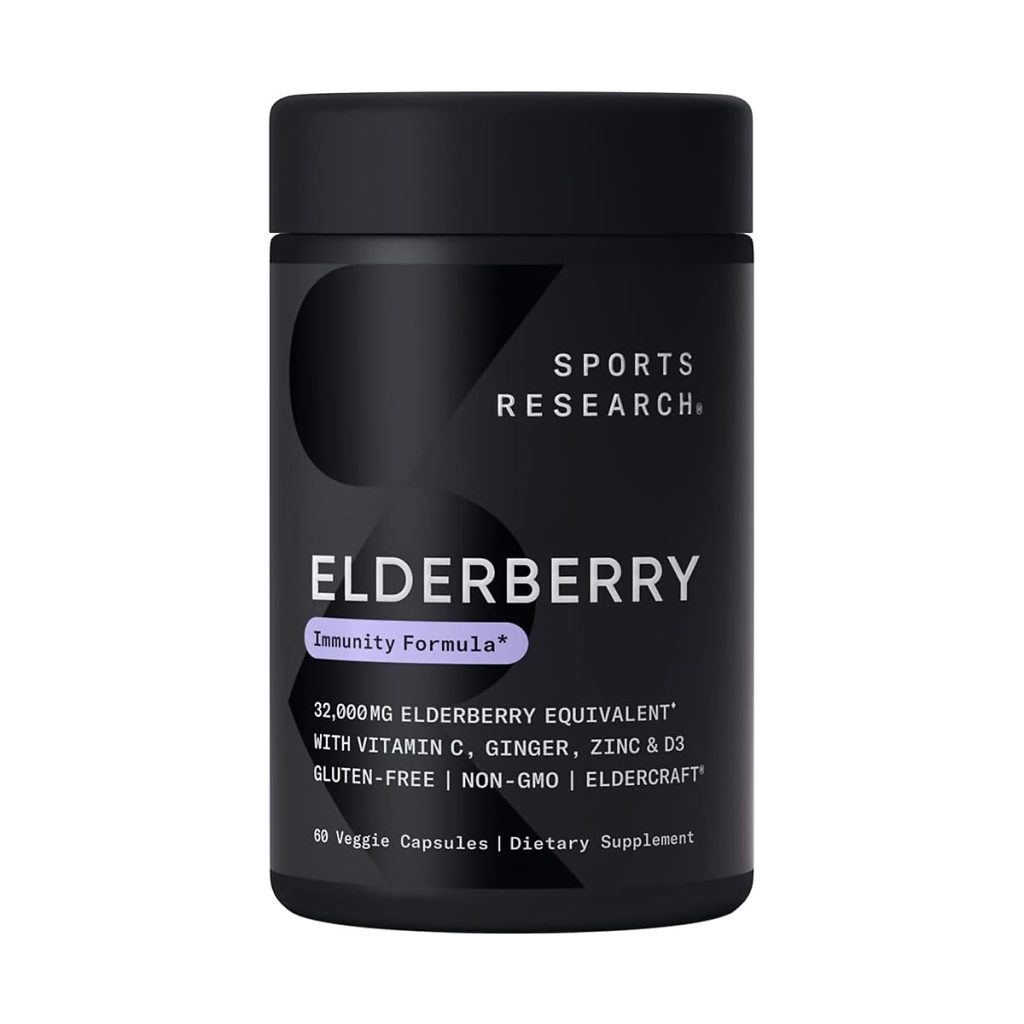
  4. Elderberry for Colds and Flu: What a 312-Person Trial Found

    Elderberry for Colds and Flu: What a 312-Person Trial Found
    A 312-person trial found elderberry cut cold duration by two days, but this popular immune supplement also packs a vitamin D3 dose over the adult safety limit.
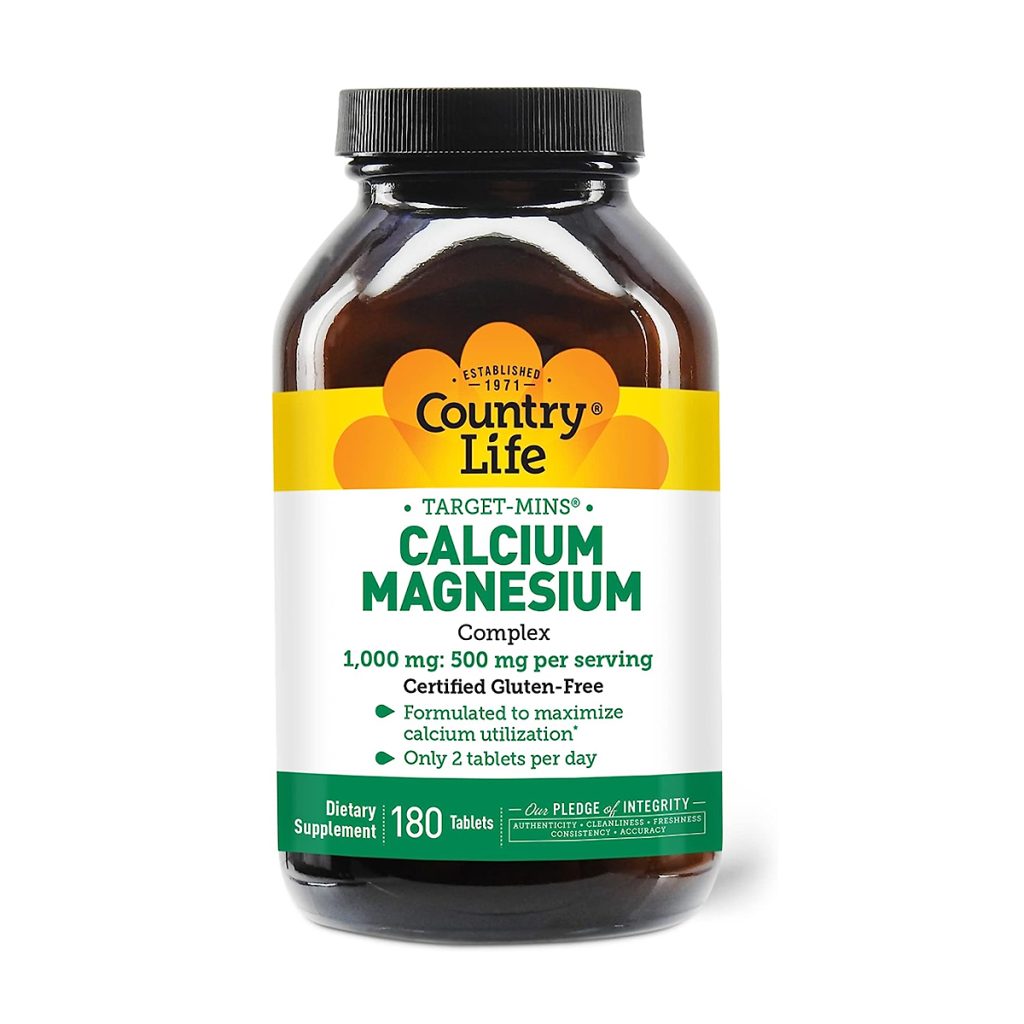
  5. Calcium for Bone Health: What a 388,229-Person NIH Heart Study Found

    Calcium for Bone Health: What a 388,229-Person NIH Heart Study Found
    A 388,229-person NIH cohort study found high-dose supplemental calcium raised heart-disease death risk in men by 20% — but not from food, and not in women.
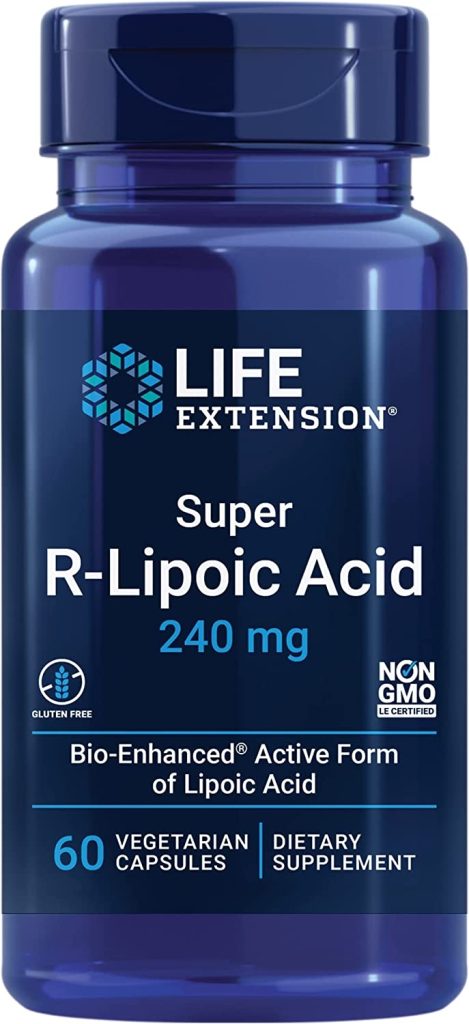
  6. Alpha-Lipoic Acid for Nerve Pain: What 1,242 Patients Showed

    Alpha-Lipoic Acid for Nerve Pain: What 1,242 Patients Showed
    A 1,242-patient meta-analysis found real benefit for diabetic nerve pain at 600 mg a day — but this product's own label tops out at 480 mg. See the evidence.
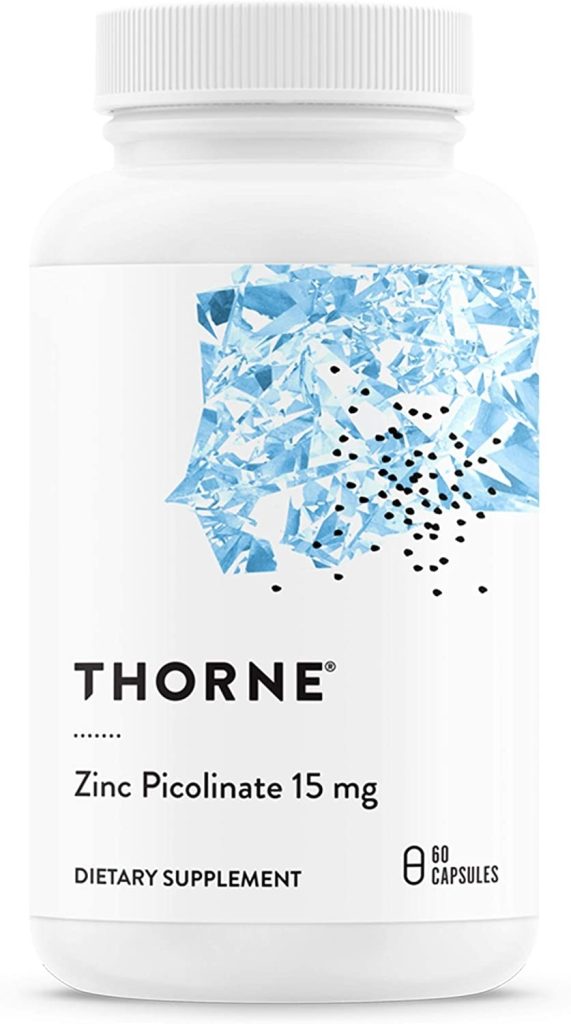
  7. Zinc for Immune Health: What the 40 mg NIH Upper Limit Actually Means

    Zinc for Immune Health: What the 40 mg NIH Upper Limit Actually Means
    Zinc shortens cold duration by 1.5 days if taken within 24 hours, but chronic daily doses near the 40 mg NIH upper limit trigger copper depletion.
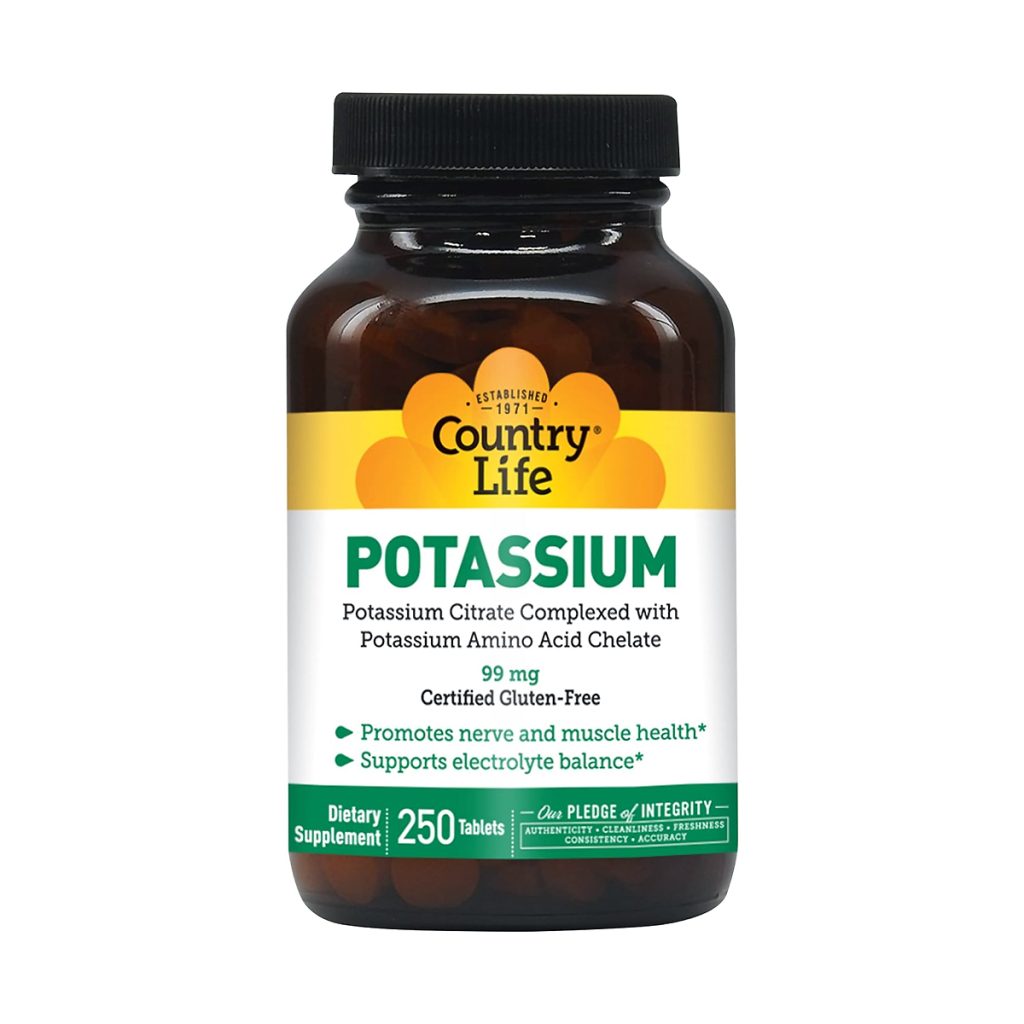
  8. Potassium for Nerve and Muscle Health: The 99 mg FDA Limit Explained

    Potassium for Nerve and Muscle Health: The 99 mg FDA Limit Explained
    Every OTC potassium tablet caps at 99 mg because of a 1975 FDA rule, not nutrition science. Here's what the NIH says adults need, and who's really at risk.
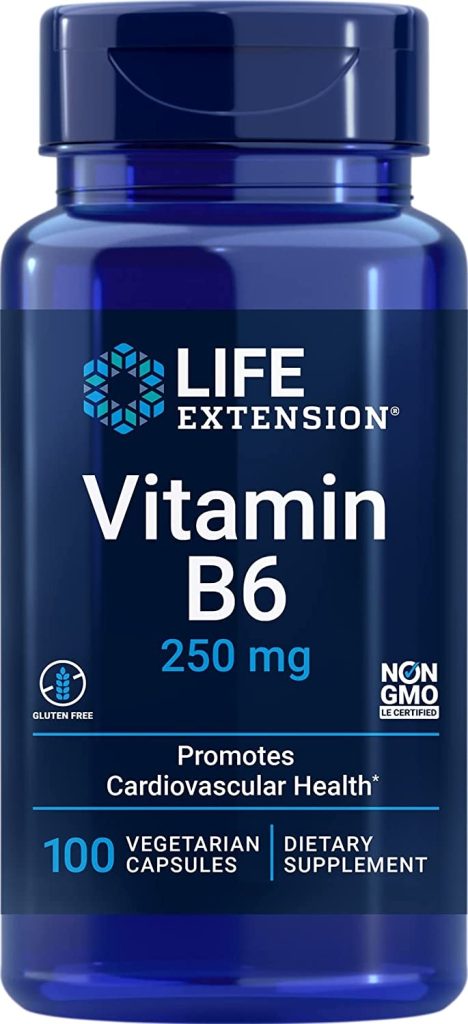
  9. Vitamin B6 for Nerve Health: What the NIH Upper Limit Actually Means

    Vitamin B6 for Nerve Health: What the NIH Upper Limit Actually Means
    NIH sets vitamin B6's upper limit at 100 mg a day; the EU sets it at 12 mg. This capsule delivers 250 mg daily. Here's what the nerve-damage evidence actually shows.
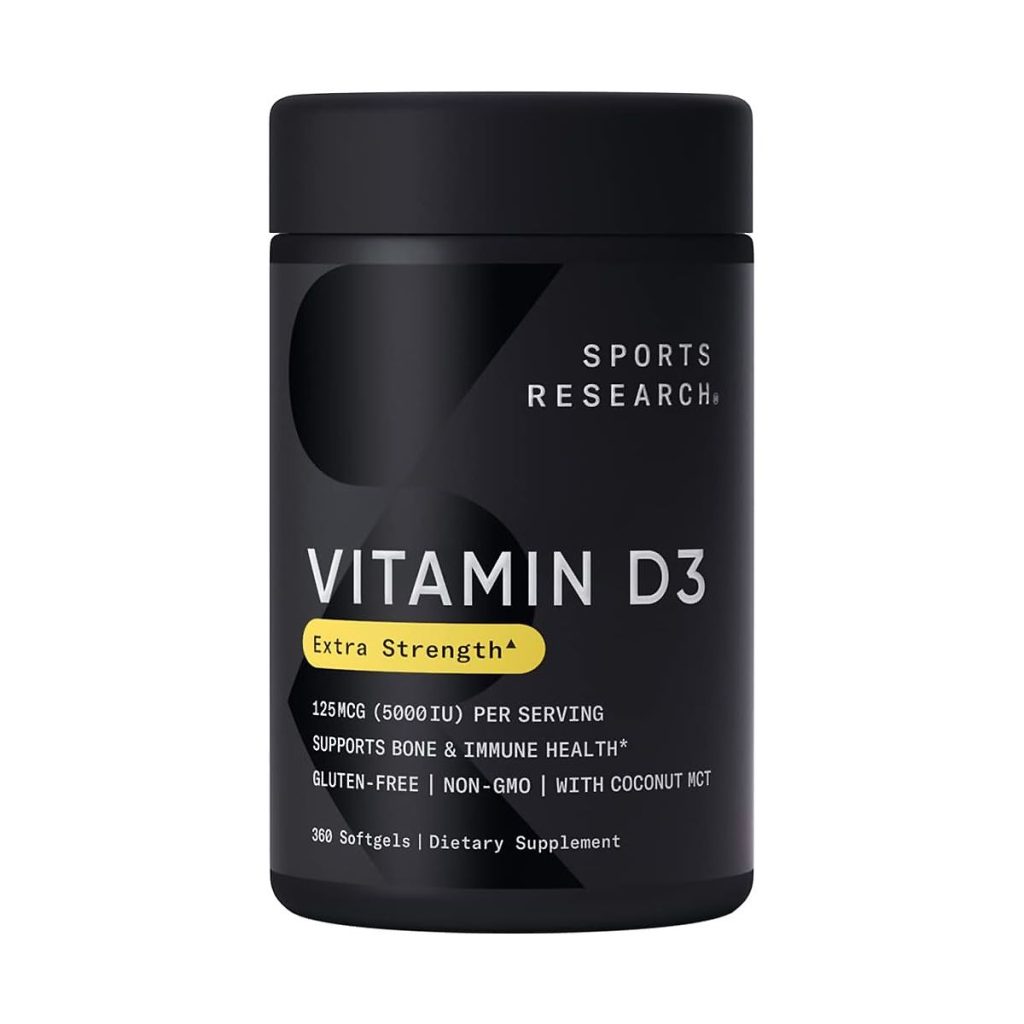
  10. Vitamin D3: Why a Popular 5,000 IU Dose Tops the NIH's Limit

    Vitamin D3: Why a Popular 5,000 IU Dose Tops the NIH's Limit
    NIH caps adult vitamin D at 4,000 IU (100 mcg) a day, yet a popular 5,000 IU softgel sells at 625% of the Daily Value. Here's what the trial evidence actually shows.

Items 1 to 10 of 15 total