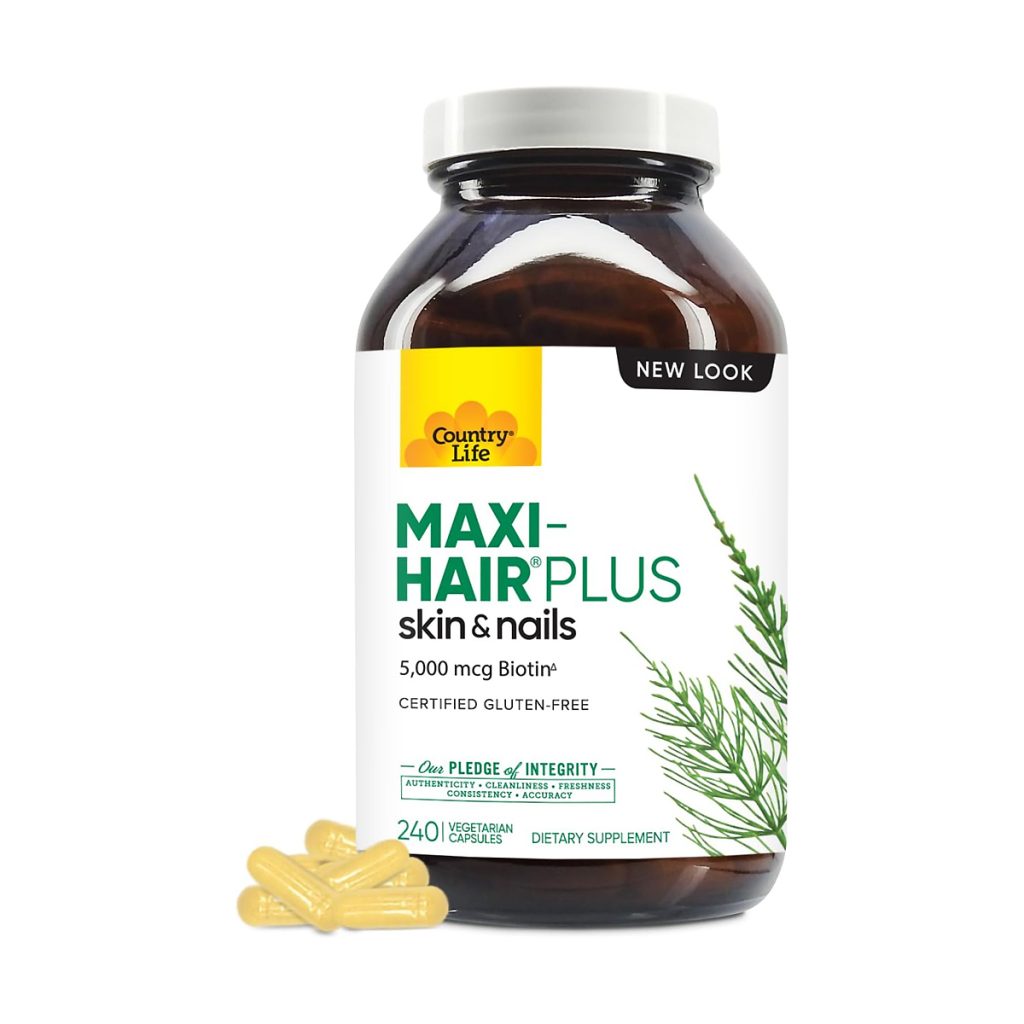
NIH says biotin deficiency in a healthy adult has never been reported, yet high-dose biotin supplements can distort blood tests badly enough to mask a heart attack.
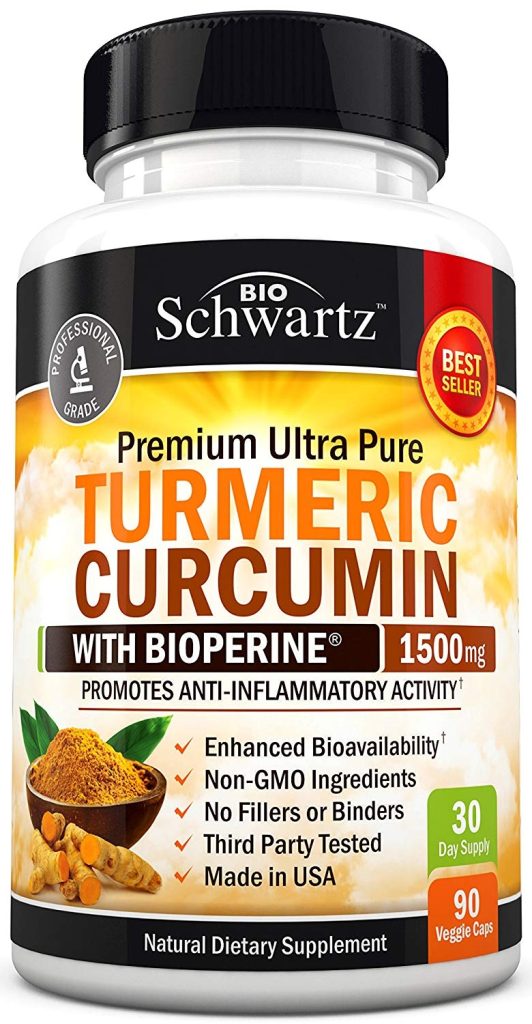
An 8-week randomised trial found curcumin eased knee osteoarthritis pain more than placebo, but NIH warns enhanced-bioavailability curcumin can cause liver damage.
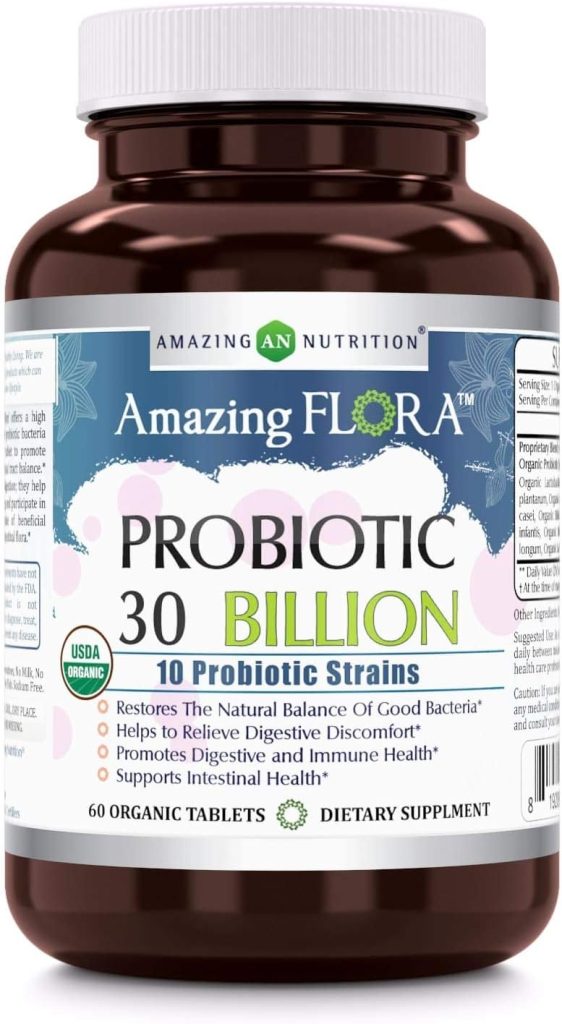
NIH reviews show probiotics cut antibiotic-related diarrhoea risk by about half, but evidence for IBS and immunity claims is much weaker. What actually holds up.
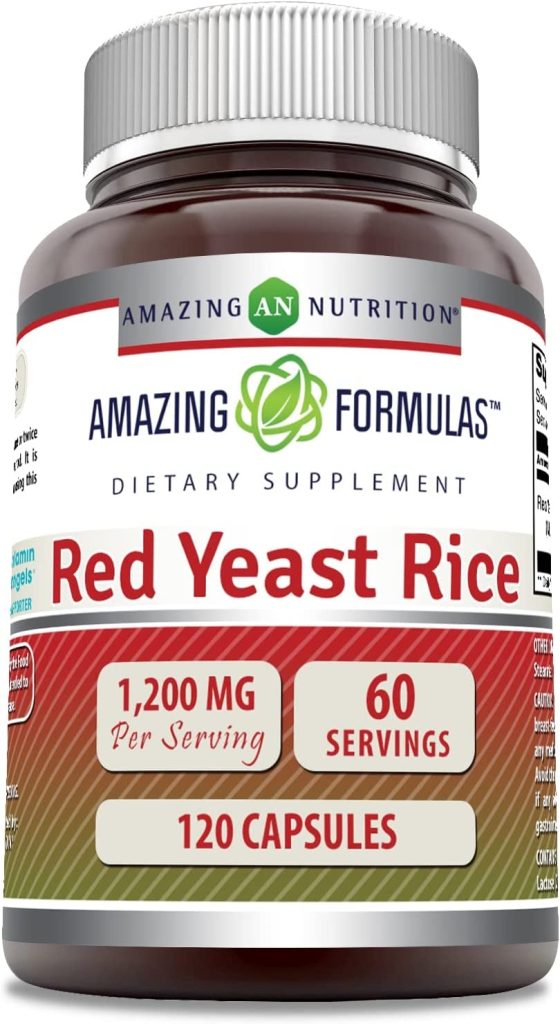
Red yeast rice's active compound is chemically identical to a statin drug, which is why the FDA treats potent versions as an unapproved drug, not a supplement.
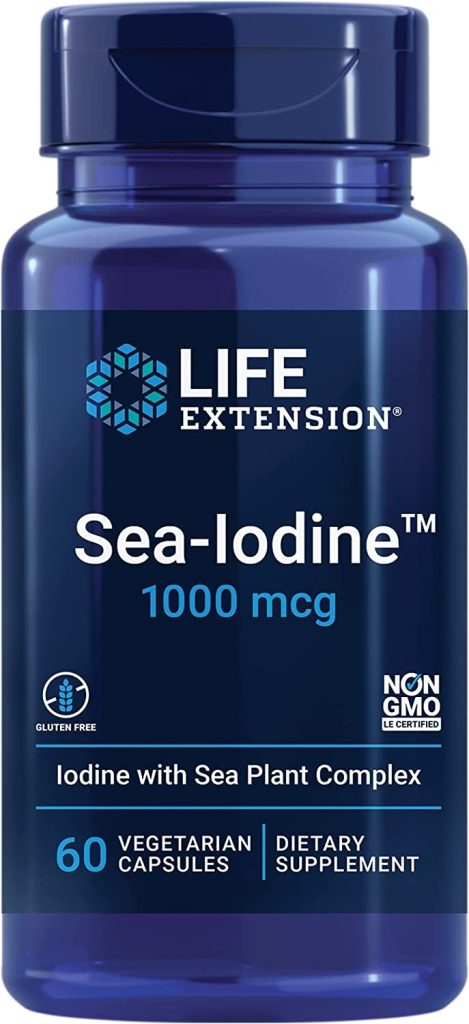
One capsule of this iodine supplement provides 1,000 mcg iodine — 91% of the NIH daily safety limit. Here is what the evidence says about dosing it safely.
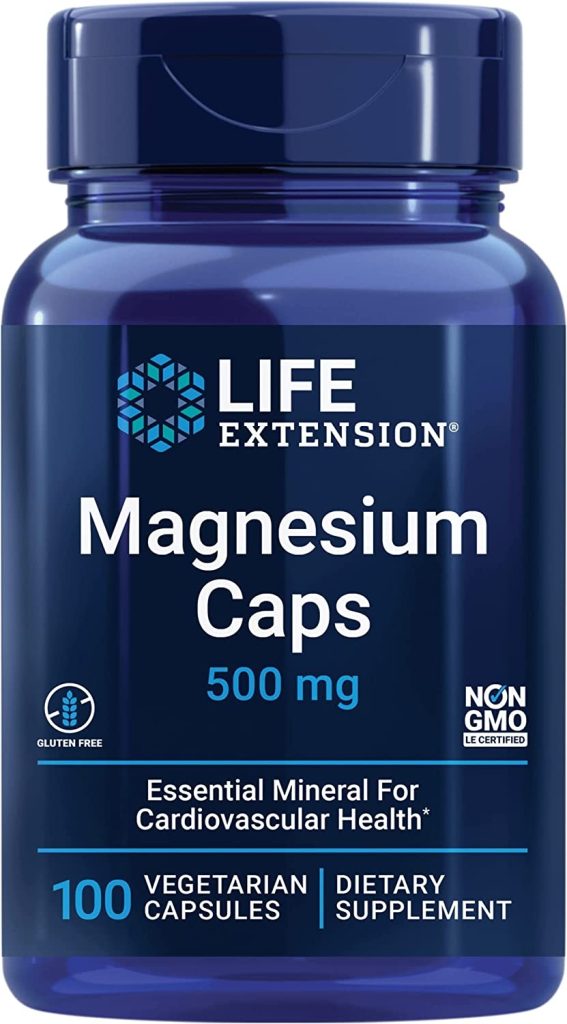
NIH survey data show 48% of Americans get less magnesium than they need. Here's what the research actually supports for blood pressure, migraine, and bone health.
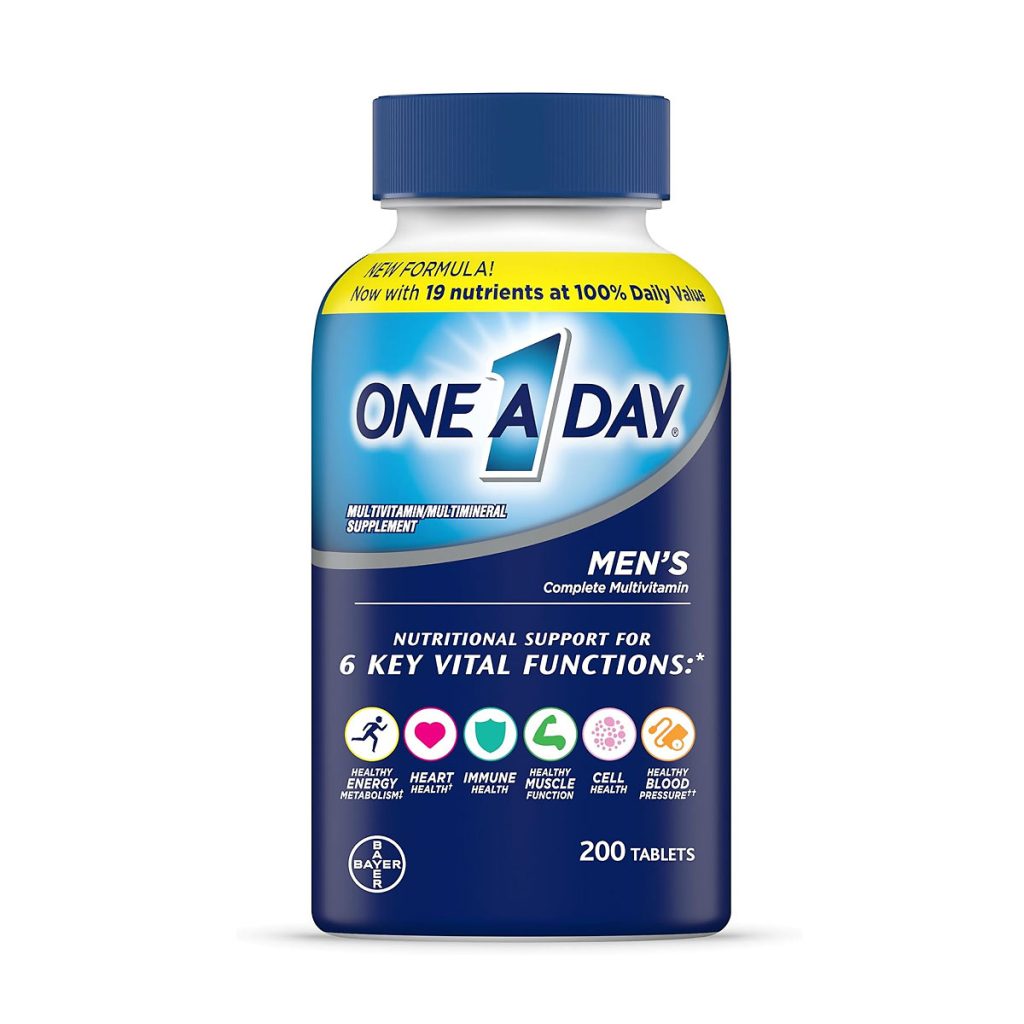
14,641 physicians over 11 years showed no heart benefit from multivitamins, but COSMOS found improved memory in older adults. What the trials really show.
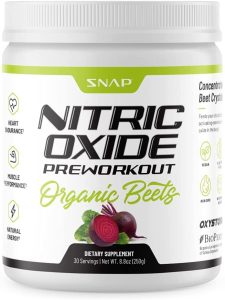
NIH evidence grades for every pre-workout ingredient: caffeine strong, beetroot moderate, arginine weak, plus the timing conflict in almost every blend.