Skin & Body Care

Biotin, salicylic acid and colloidal oatmeal read against the FDA monographs and NIH evidence — what these ingredients do for skin, and what they do not.

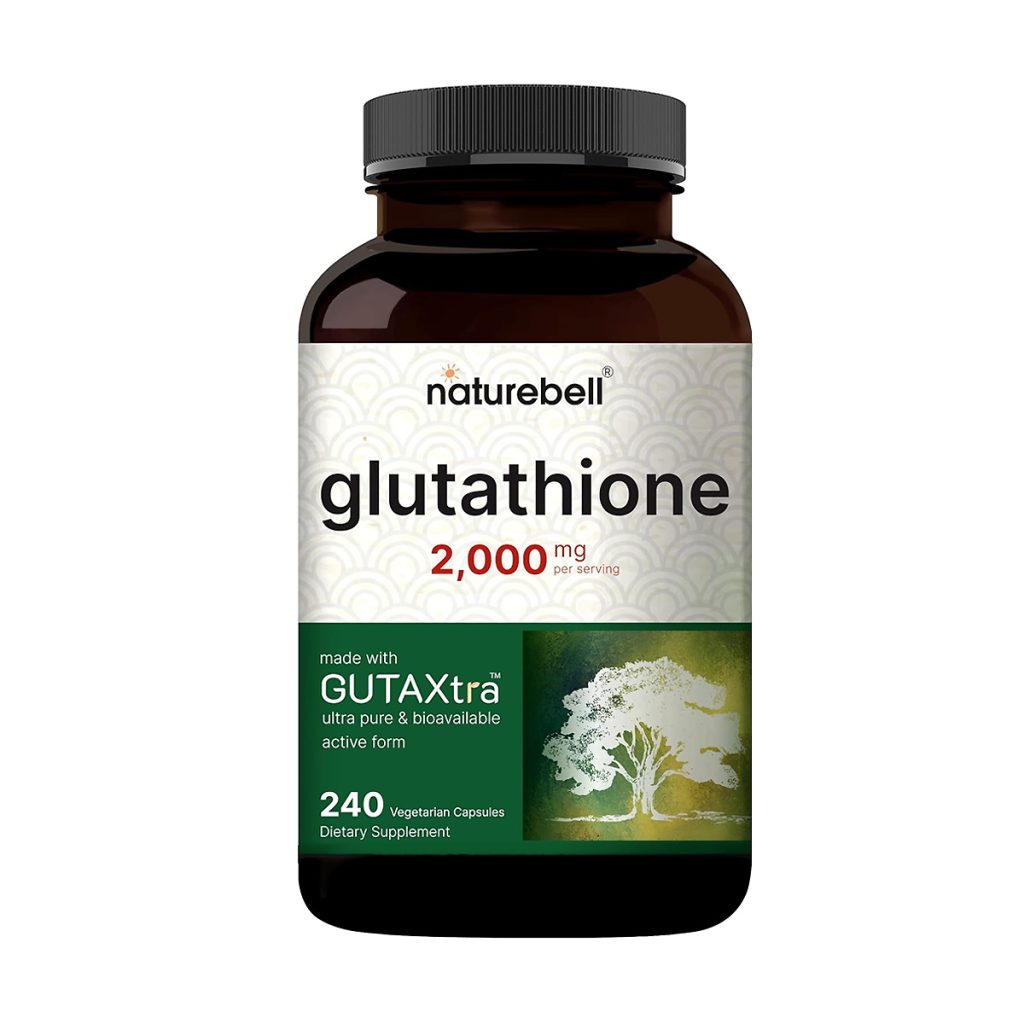
  1. Oral Glutathione: Trials Tested 1,000 mg; This Serving Contains 2,000

    Oral Glutathione: Trials Tested 1,000 mg; This Serving Contains 2,000
    Oral glutathione raised blood levels in a 54-person trial at 1,000 mg a day. This serving is 2,000 mg. What the skin, liver and immune evidence really shows.

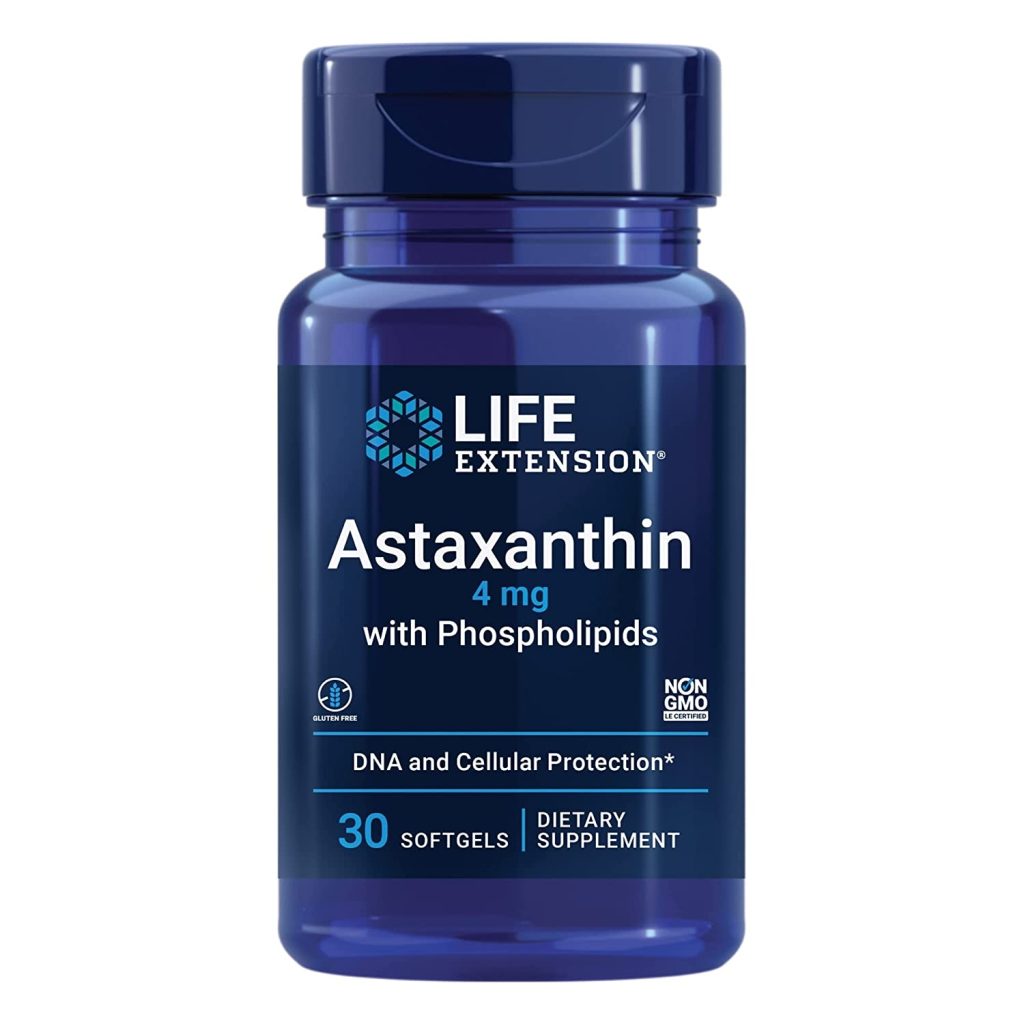
  2. Astaxanthin for Skin and Eyes: What the Trials Actually Showed

    Astaxanthin for Skin and Eyes: What the Trials Actually Showed
    Astaxanthin skin and eye claims checked: a 2021 meta-analysis found no significant wrinkle-depth effect, and a 9 mg screen trial helped only adults aged 40 and over.
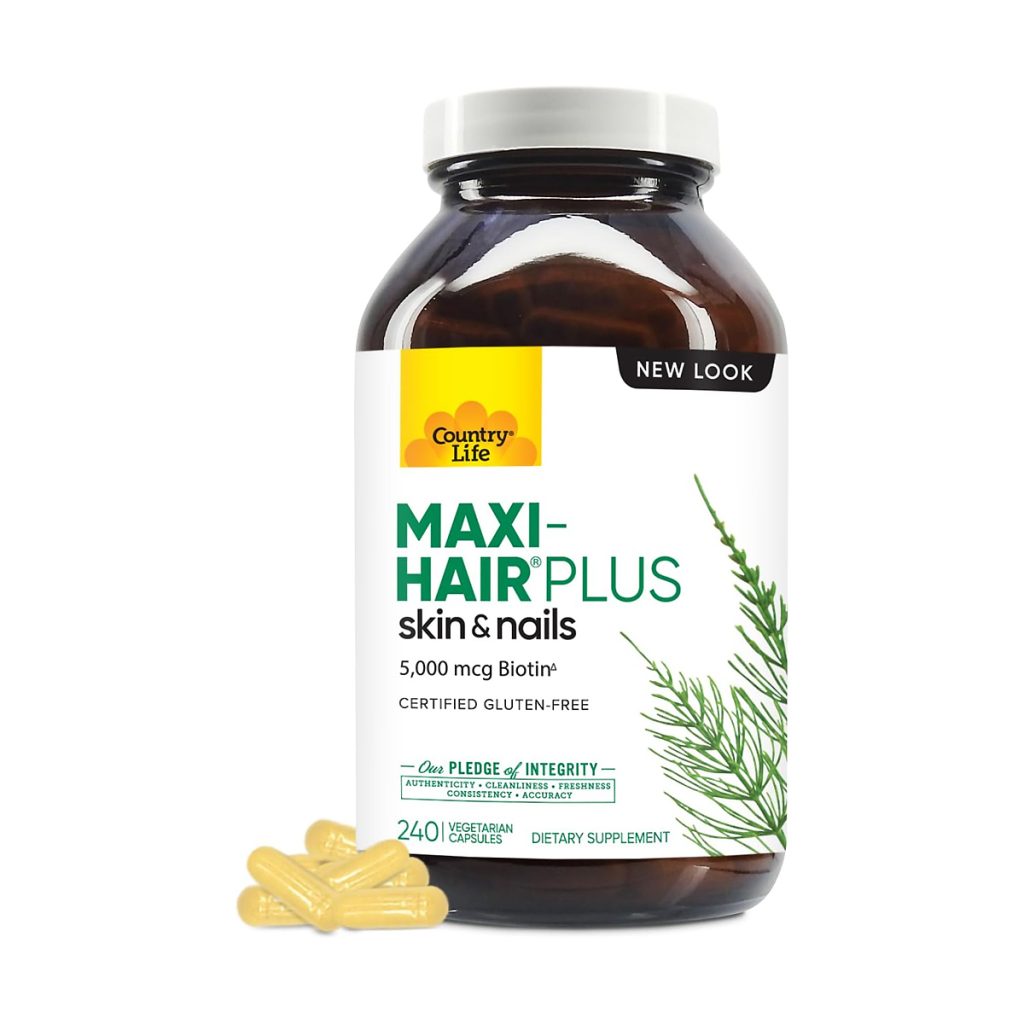
  3. Biotin for Hair, Skin and Nails: The FDA Warning Behind the Hype

    Biotin for Hair, Skin and Nails: The FDA Warning Behind the Hype
    NIH says biotin deficiency in a healthy adult has never been reported, yet high-dose biotin supplements can distort blood tests badly enough to mask a heart attack.
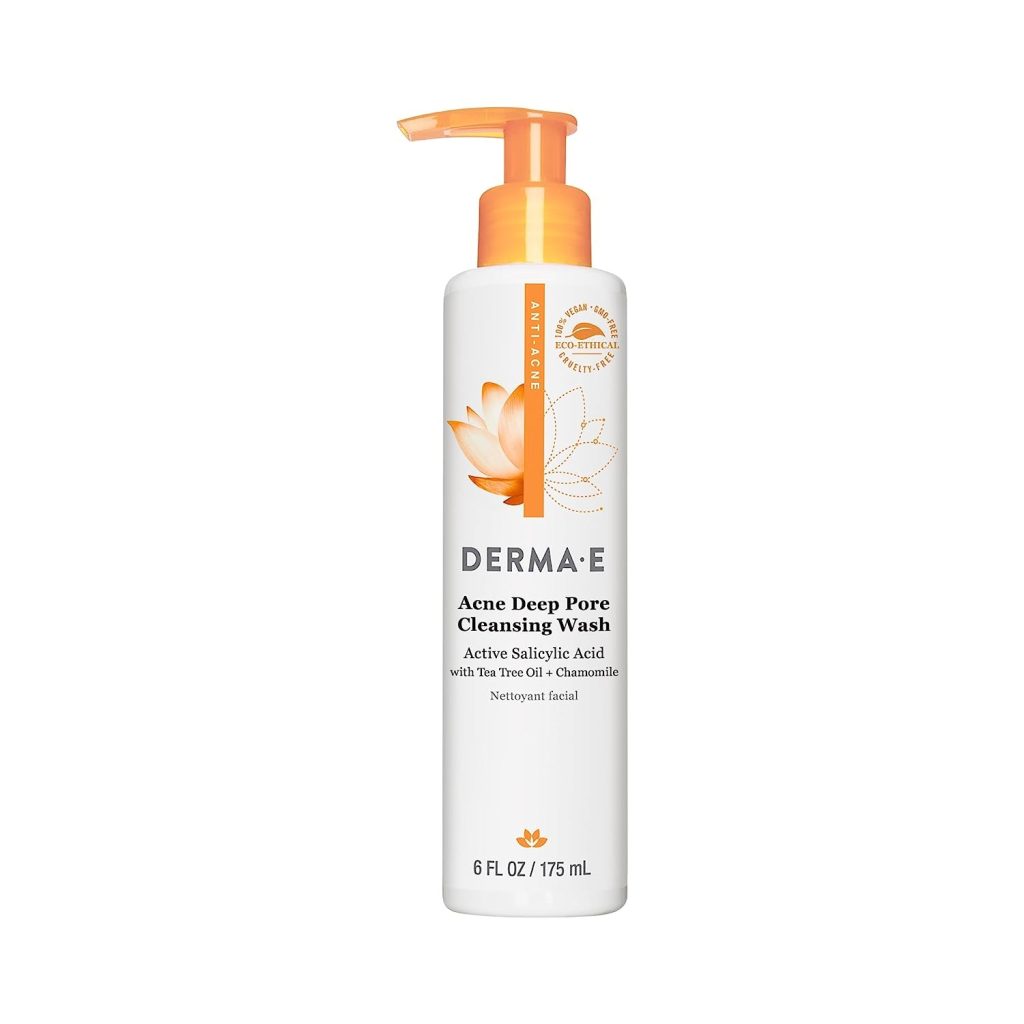
  4. Salicylic Acid for Acne: What the FDA Monograph Says, and Why a Face Wash Isn't Enough

    Salicylic Acid for Acne: What the FDA Monograph Says, and Why a Face Wash Isn't Enough
    Salicylic acid is FDA Category I for acne at 0.5-2% and oil-soluble, so it reaches inside clogged pores. But a face wash is rinsed off in seconds.
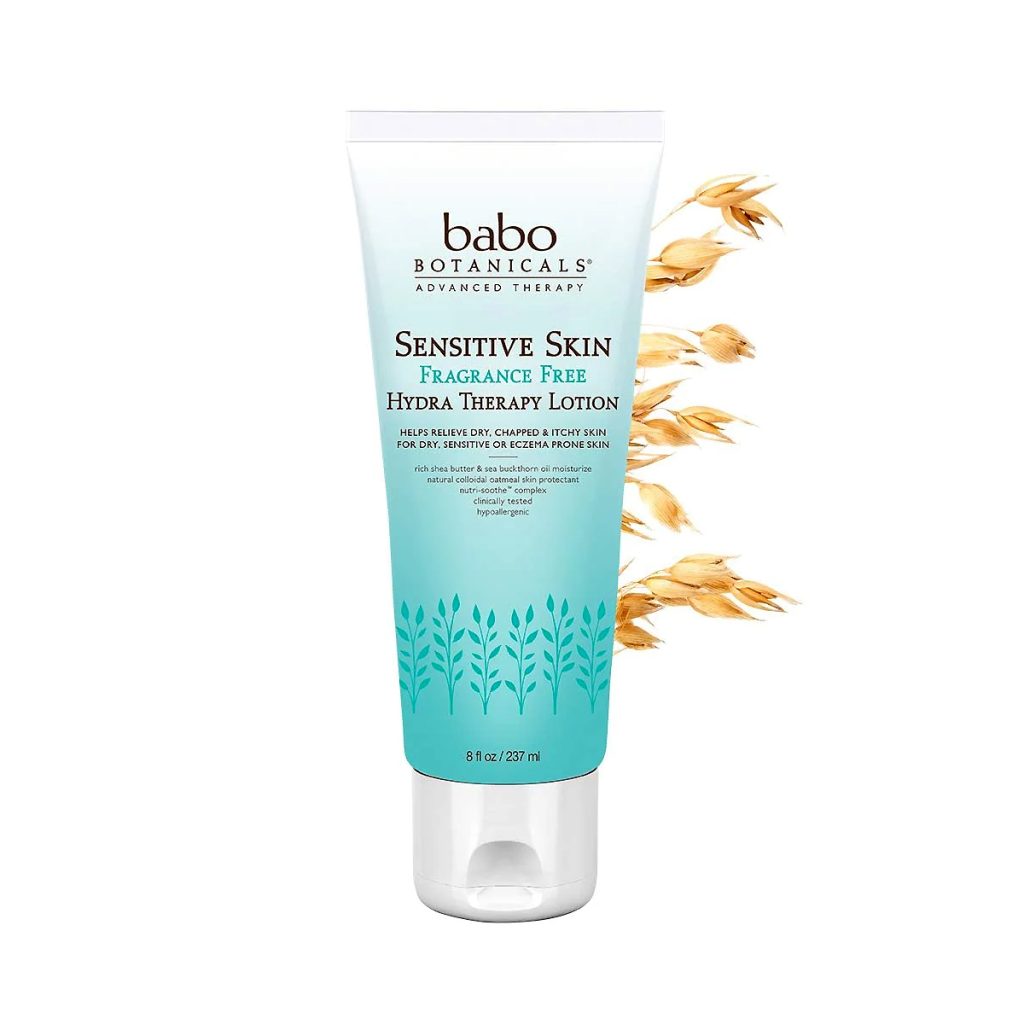
  5. Colloidal Oatmeal for Eczema-Prone Skin: What the FDA Monograph Actually Says

    Colloidal Oatmeal for Eczema-Prone Skin: What the FDA Monograph Actually Says
    Colloidal oatmeal is an FDA-recognised skin protectant, and the monograph minimum is just 0.007%. What it does for eczema-prone skin, and how to read a label properly.

5 Item(s)