Vitamins & Minerals

Evidence reviews of everyday vitamins and minerals — magnesium, B12, iodine, vitamin C and multivitamins — checked against NIH intake data and upper limits.

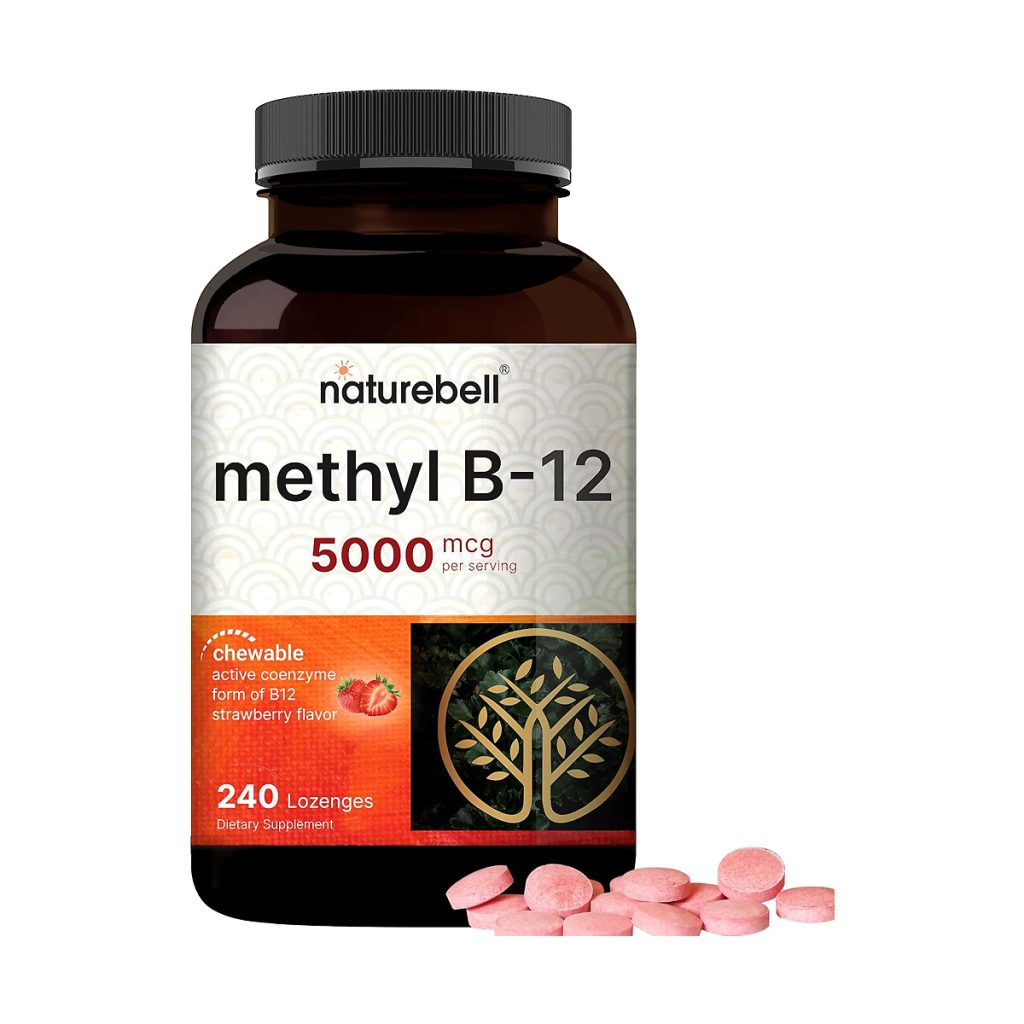
  1. Vitamin B12 for Energy: Why the Dose Is Over 2,000 Times the RDA

    Vitamin B12 for Energy: Why the Dose Is Over 2,000 Times the RDA
    NIH research shows vitamin B12 supplements only boost energy in people who are actually deficient — here's exactly who that is, and why doses run so high.

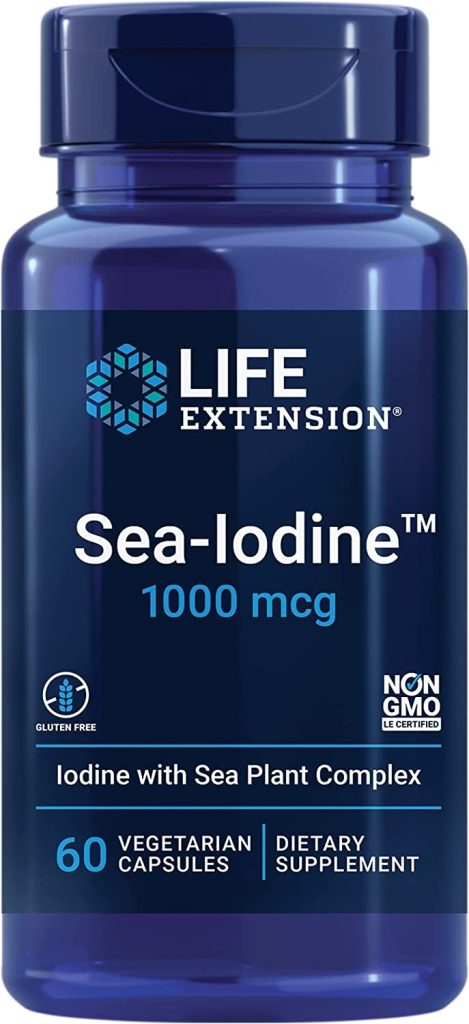
  2. Iodine for Thyroid Health: What the NIH Upper Limit Actually Means

    Iodine for Thyroid Health: What the NIH Upper Limit Actually Means
    One capsule of this iodine supplement provides 1,000 mcg iodine — 91% of the NIH daily safety limit. Here is what the evidence says about dosing it safely.
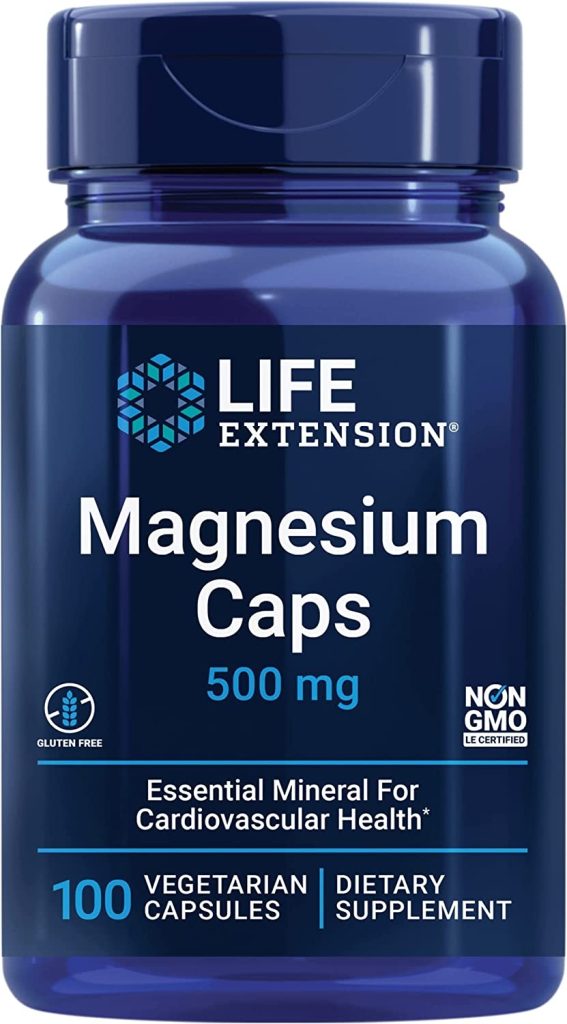
  3. Magnesium Inadequacy Is Common: What the NIH Data Actually Show

    Magnesium Inadequacy Is Common: What the NIH Data Actually Show
    NIH survey data show 48% of Americans get less magnesium than they need. Here's what the research actually supports for blood pressure, migraine, and bone health.
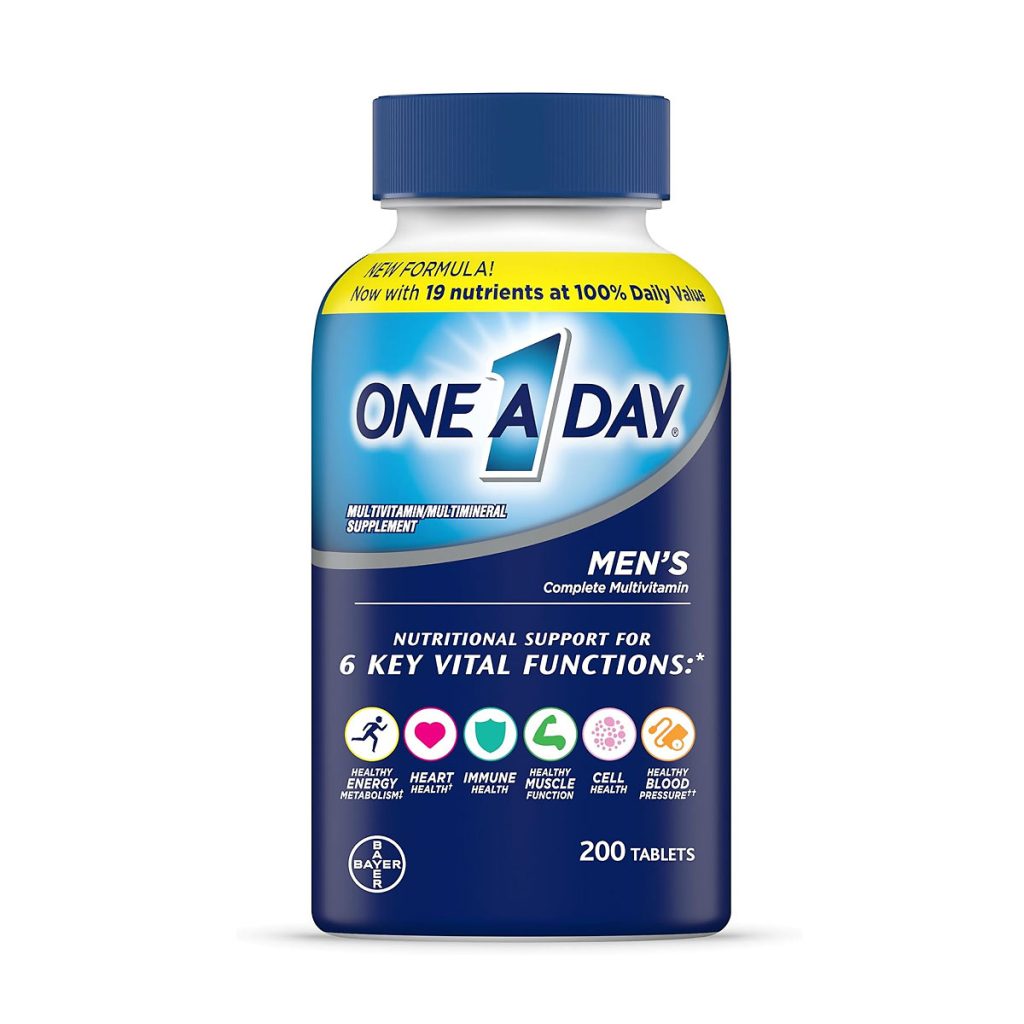
  4. Do Men's Multivitamins Actually Work? What the Largest Trials Found

    Do Men's Multivitamins Actually Work? What the Largest Trials Found
    14,641 physicians over 11 years showed no heart benefit from multivitamins, but COSMOS found improved memory in older adults. What the trials really show.
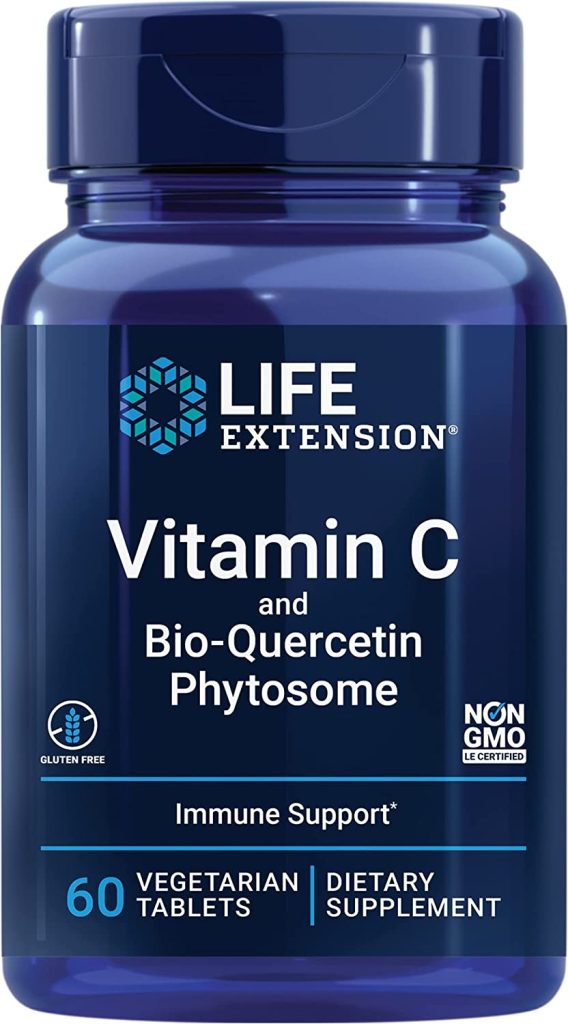
  5. Vitamin C and Quercetin: What the Evidence Actually Says About Immune Support

    Vitamin C and Quercetin: What the Evidence Actually Says About Immune Support
    Vitamin C won't stop you catching a cold, but timing changes everything. NIH-backed dosages, what the common cold research really shows, and how quercetin phytosome fits in.

Items 11 to 15 of 15 total